ArXiv recap
by
Chris Ormel
(favorite planet: TRAPPIST 1e)
- Barclay et al. (2109.14608):
Stellar surface inhomogeneities as a potential source of the atmospheric signal detected in the K2-18 b transmission spectrum - Millholland & Winn (2110.01466):
Split Peas in a Pod: Intra-System Uniformity of Super-Earths and Sub-Neptunes - Yamachuchi et al. (2110.00974):
ALMA Super-resolution Imaging of T Tau: r = 12 au Gap in the Compact Dust Disk around T Tau N - Asphaug et al. (2110.00222)
Collision Chains among the Terrestrial Planets. III. Formation of the Moon - Kobayashi & Tanaka (2110.00919)
Rapid formation of Gas Giant Planets via Collisional Coagulation from Dust Grains to Planetary Cores
Barclay et al. — water in the K2-18 system?
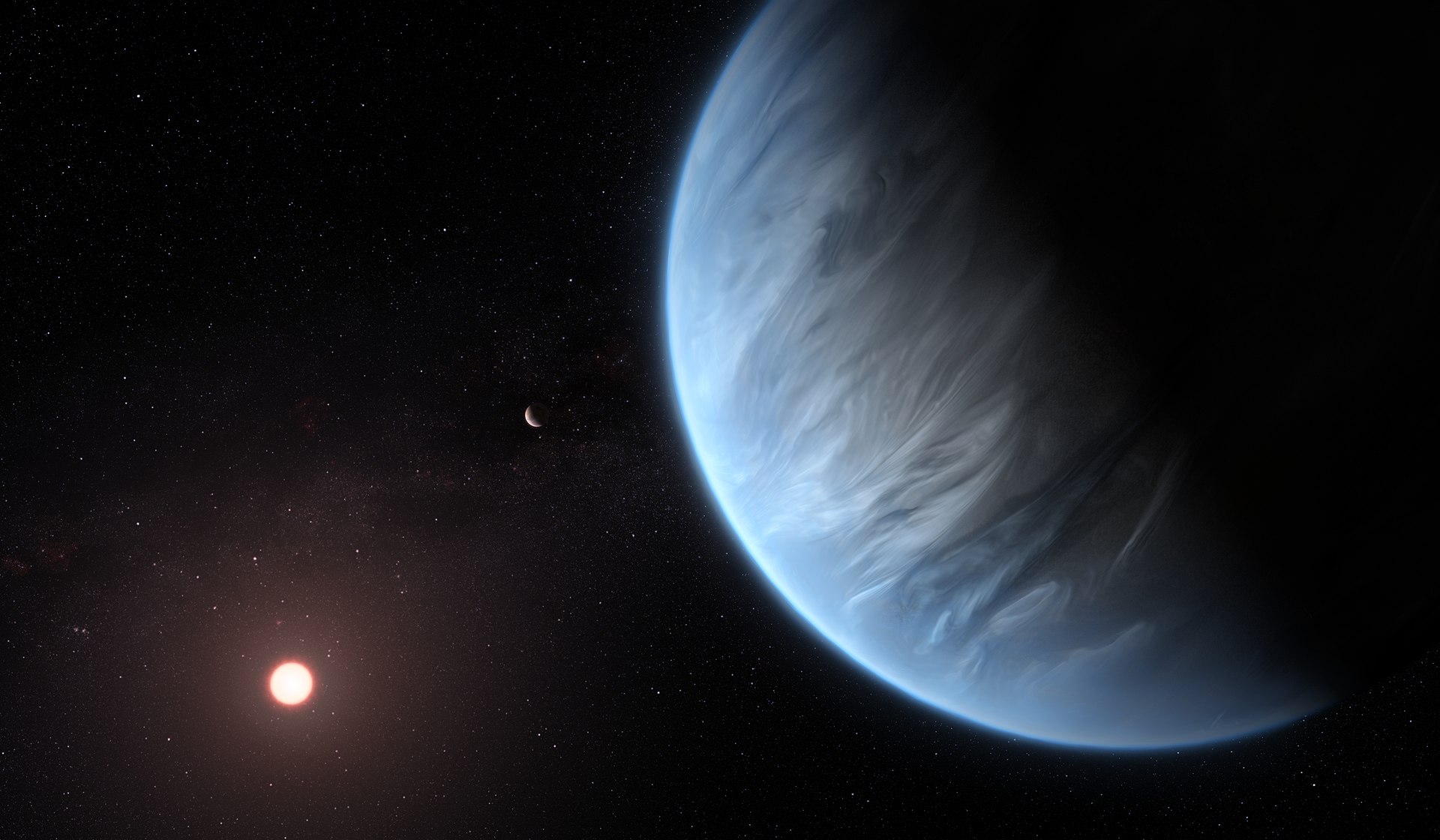
M2.8 dwarf star
~6ME planet at P=9d
(non-transiting)
~9ME, 2.7 RE transiting planet at P=33d
transmission spectroscopy
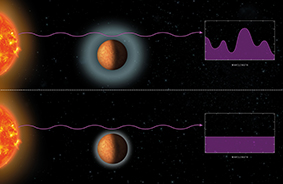
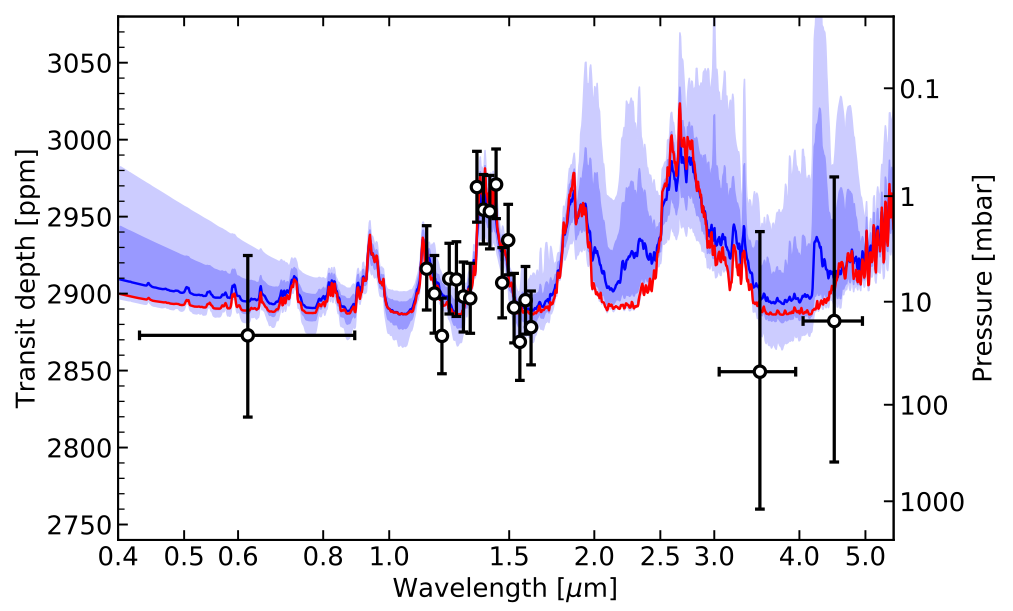
atmosphere model
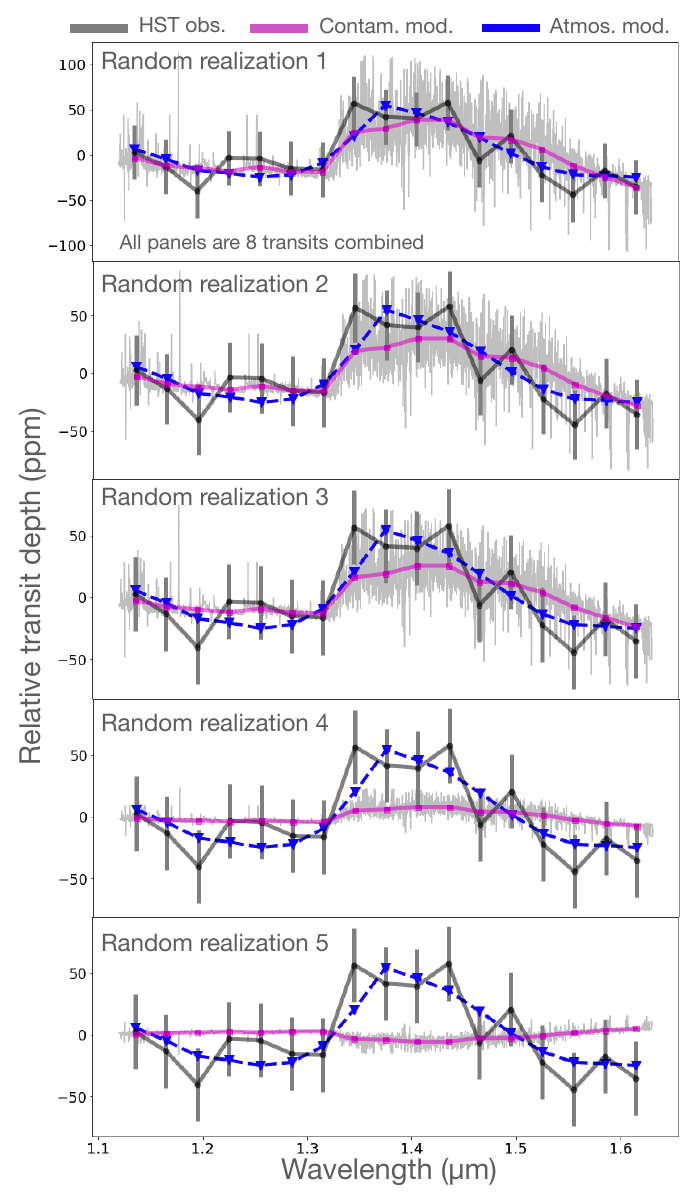
Barclay et al. (2019) claim that the H2O feature could be created by starspots alone!
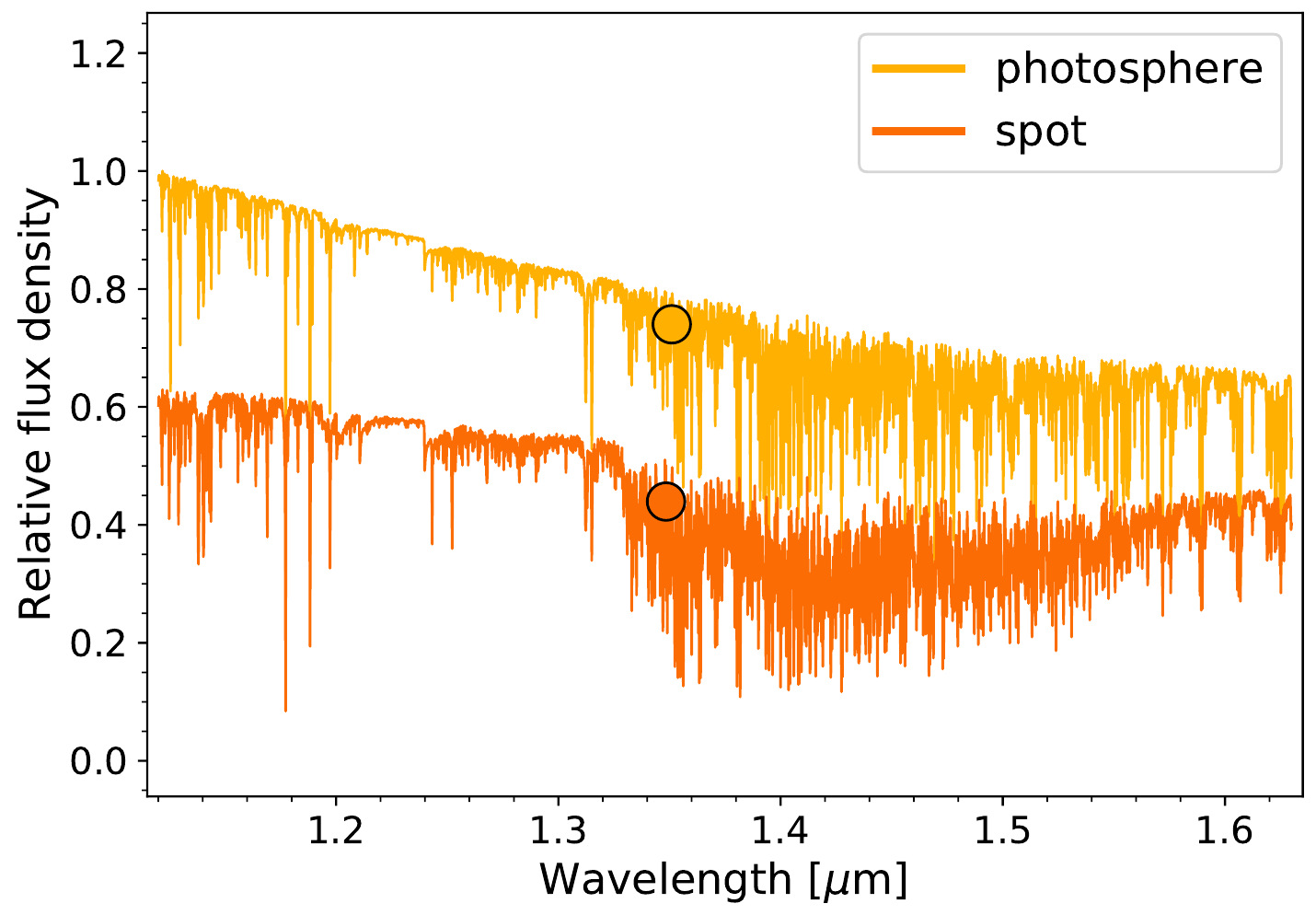
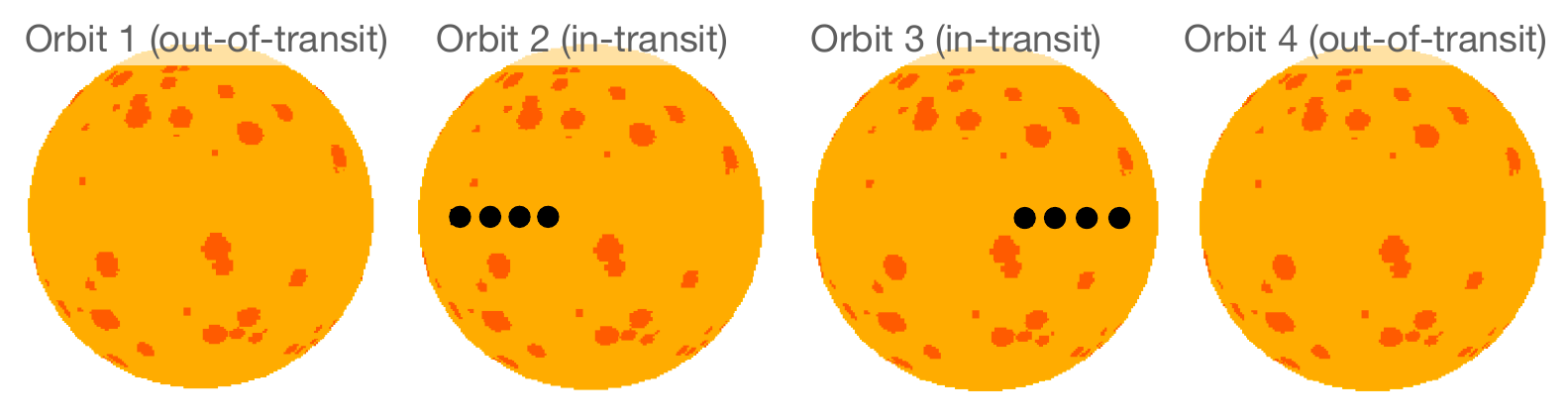
Barclay et al. claim that the limited (8) number of transits may mimic the H2O transmission signal.
"Extraordinary claims require extraordinary evidence" (Carl Sagan)
Millholland & Winn
Split Peas in a Pod
Split peas in a pod
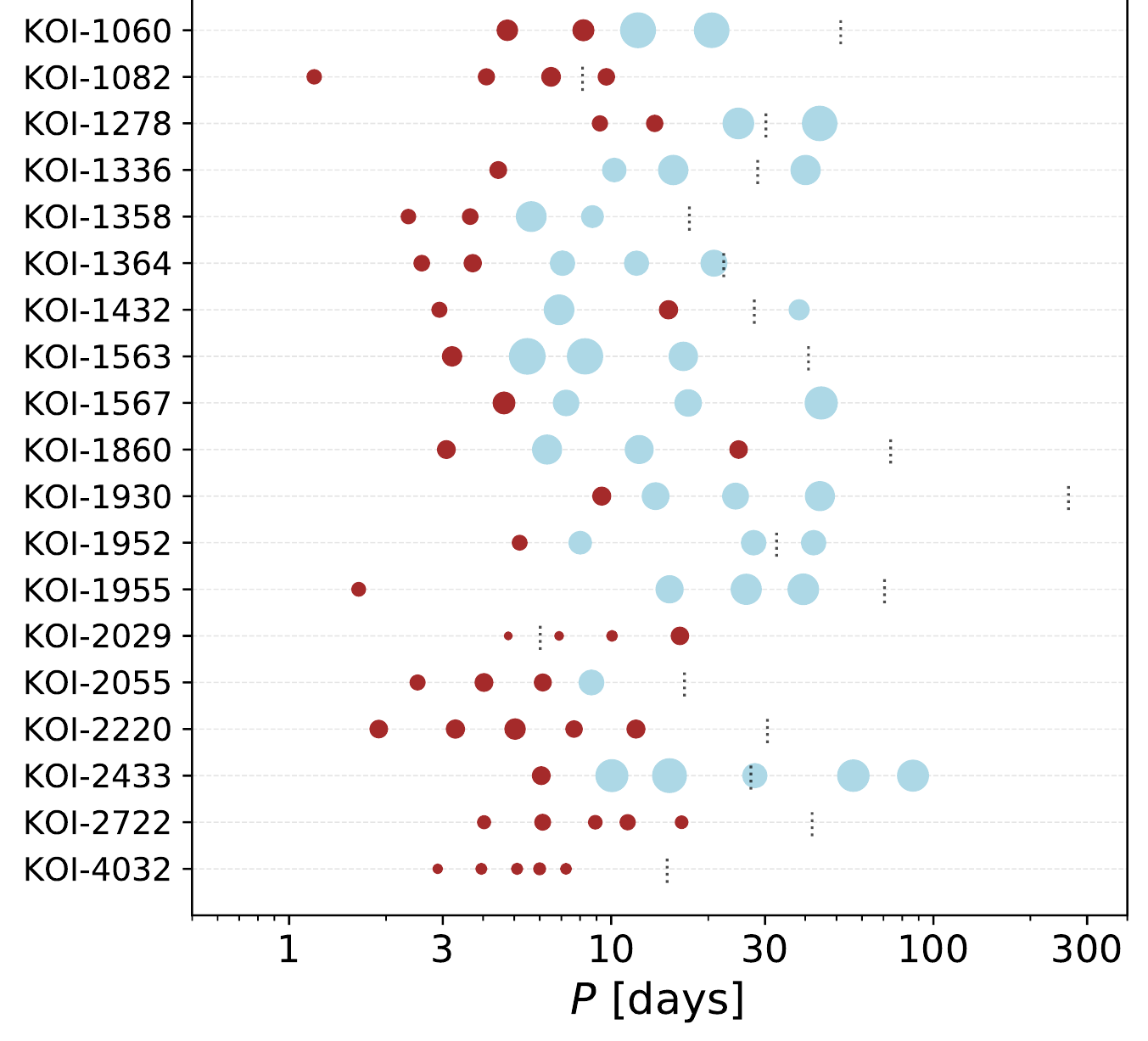
Millholland & Winn argue that intra-system uniformity is stronger among the super-Earths (SE) and sub-Neptune (SN) subgroups
Split peas in a pod
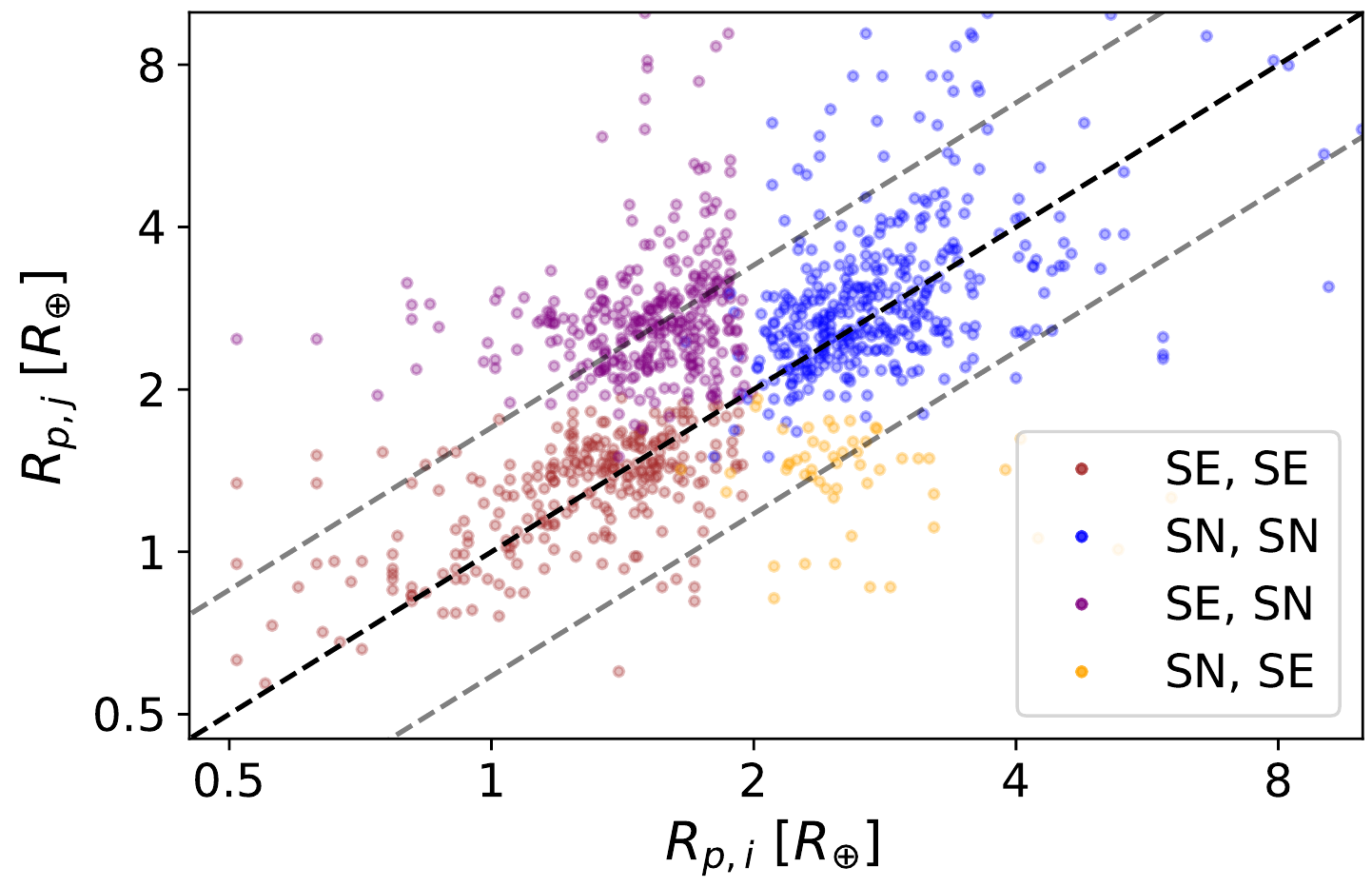
Millholland & Winn argue that intra-system uniformity is stronger among the super-Earths (SE) and sub-Neptune (SN) subgroups
However are these correlations stronger than those arising from the null hypothesis?
The authors construct a (custom) randomized sample while preserving the so-called "evaporation valley"
Split peas in a pod
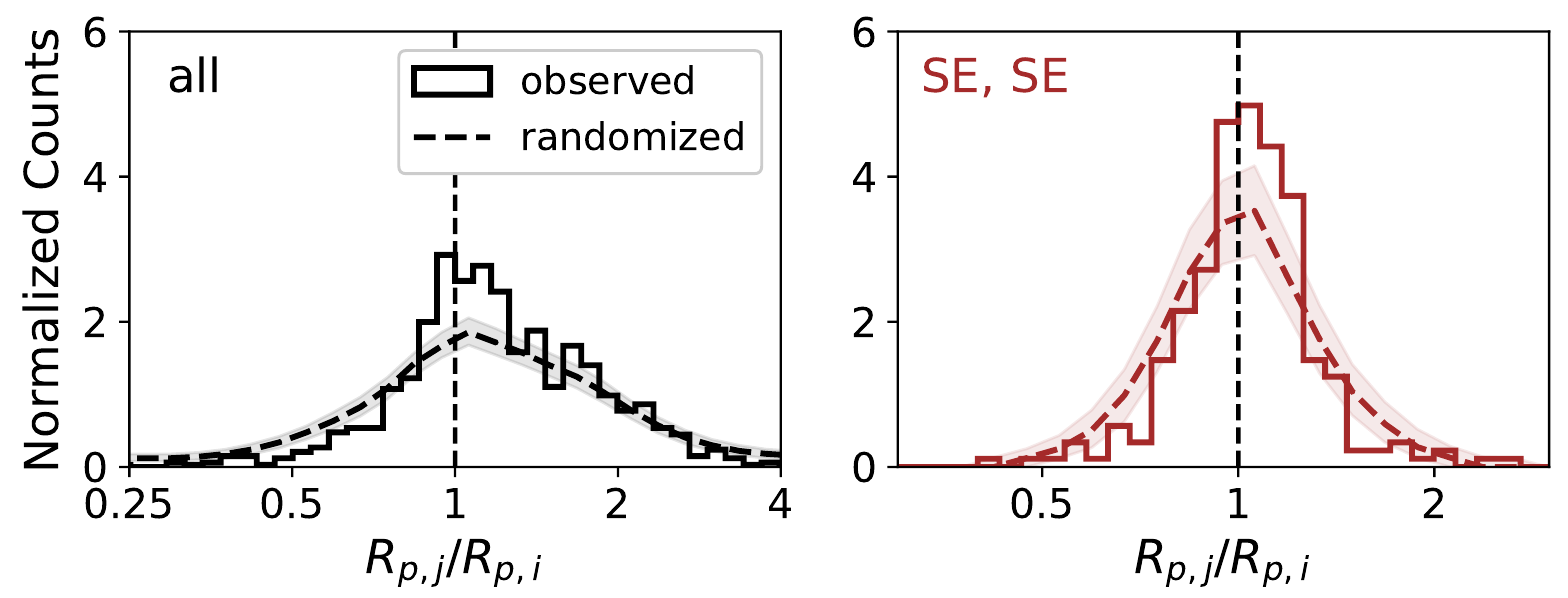
distribution, MAD=0.19
Millholland & Winn argue that intra-system uniformity is stronger among the super-Earths (SE) and sub-Neptune (SN) subgroups
Split peas in a pod
Millholland & Winn argue that intra-system uniformity is stronger among the super-Earths (SE) and sub-Neptune (SN) subgroups
Is theirs convincing?
- M&W argue that correlation becomes 2x as strong after splitting the peas
- It makes sense that MAD (~spread) decreases if you cut the sample
- The significance of their result rather decreases
Yamaguchi et al — "Let there be rings"
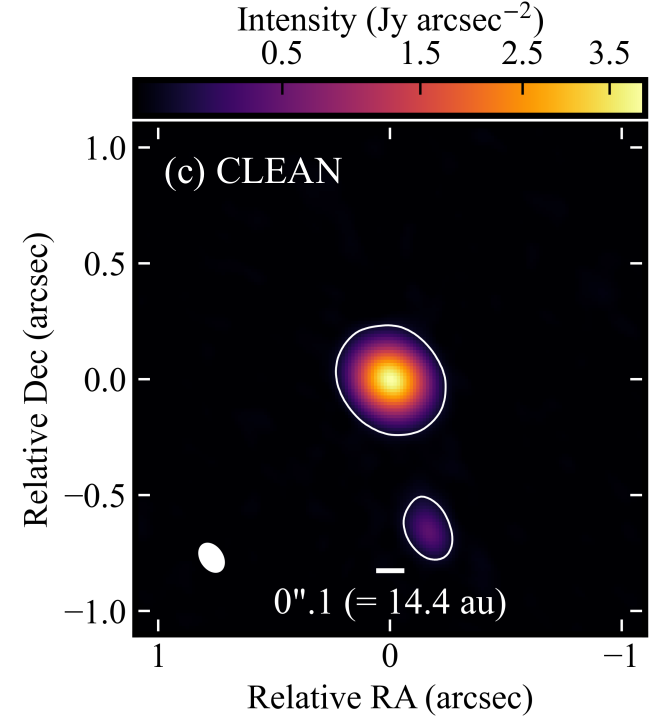
Yamaguchi et al — "Let there be rings"
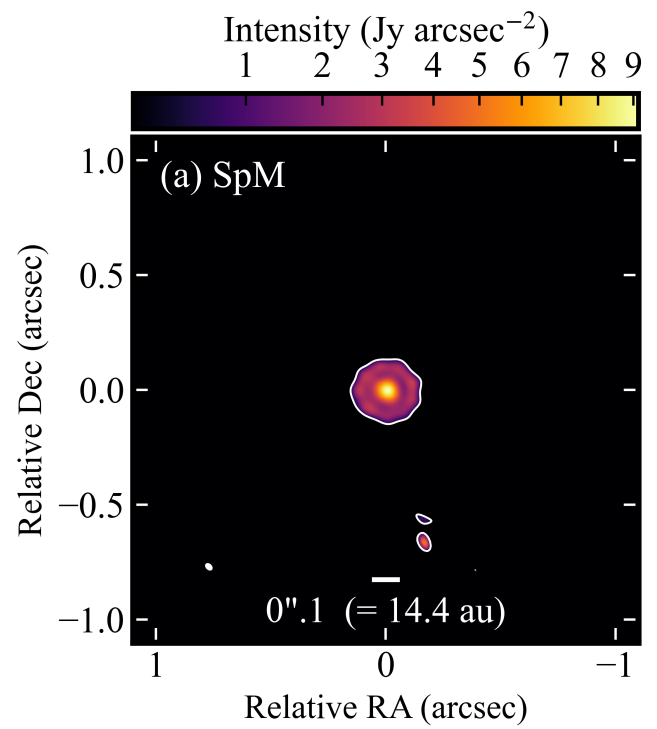
Yamaguchi et al — "Let there be rings"
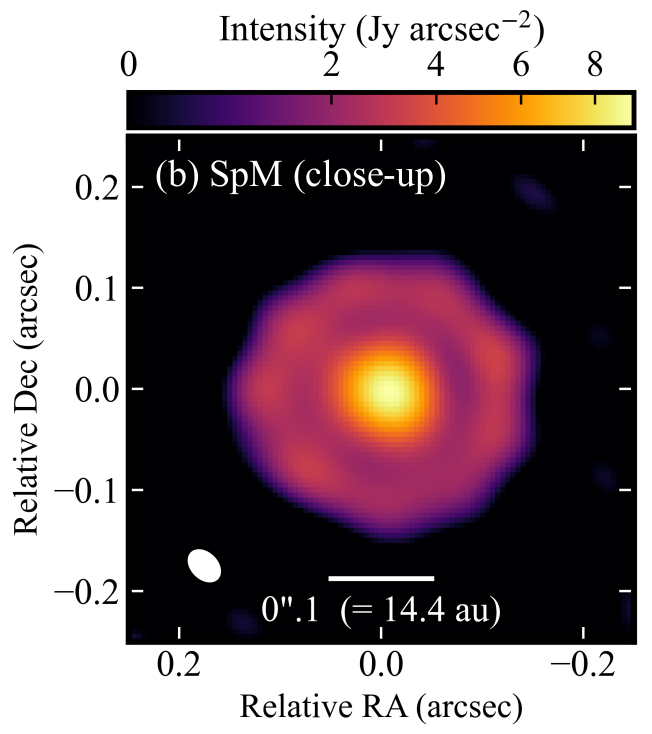
...let there be planets!
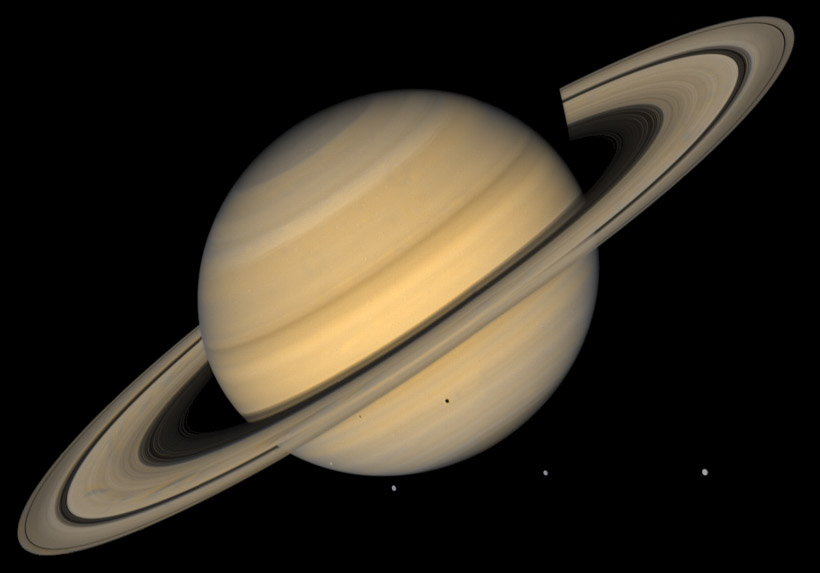
Asphaug et al.: origin of the Moon
Asphaug et al.: origin of the Moon
This is the giant impact model for the formation of the Moon-Earth system.
- evidence for Lunar Magma Ocean (LMO)
- similar orientations of Earth and Moon spin
- high A.M. in Earth-Moon system
- Moon has a small iron core
- Moon is depleted in volatiles
Asphaug et al. highlight two key drawbacks of the standard model:
- the giant impact model only works at very specific combinations of (low) impact velocities and impact angles
- the composition of Earth and Moon is too similar (e.g., 17O, Ti, Cr, W isotopes)
Asphaug et al.'s new idea: two collisions
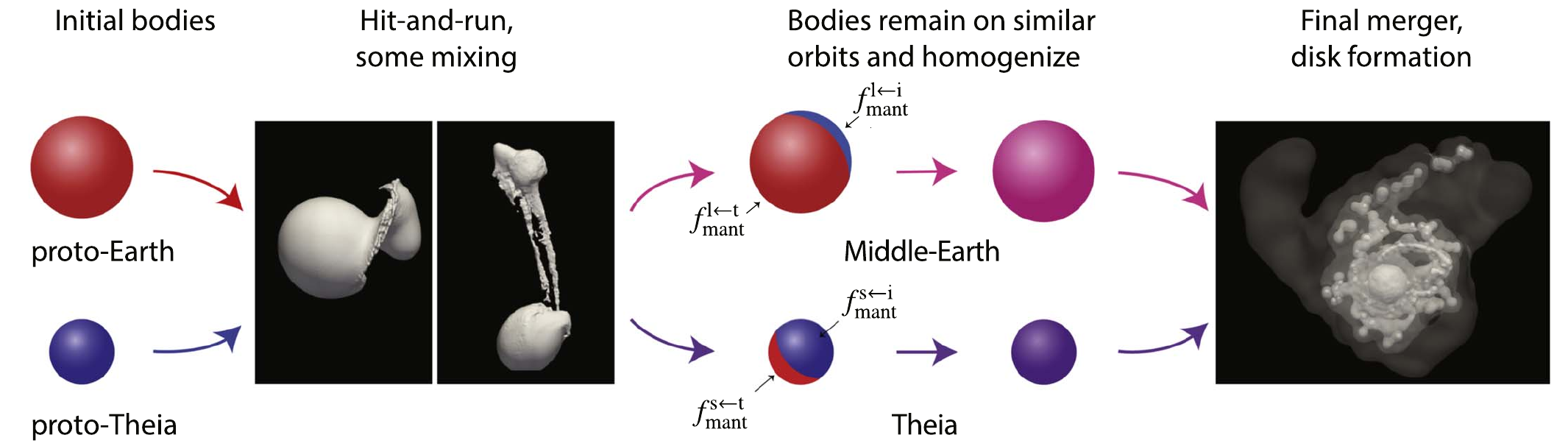
Asphaug et al.'s new idea: two collisions
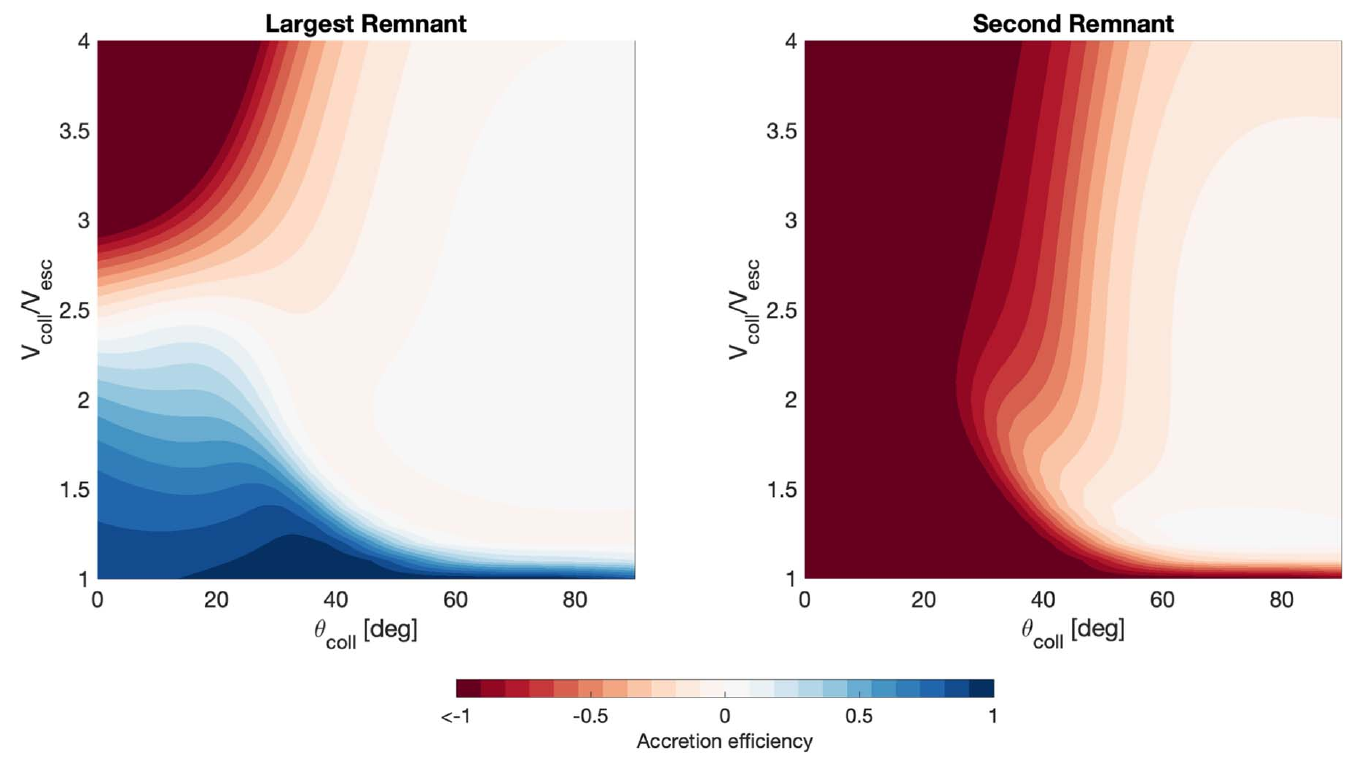
standard model
works for a wider
parameter space
Asphaug et al.'s new idea: two collisions
Is it more likely and a better model?
- May better mix material better
- 2nd collision can happen at lower velocity
but:
- 2nd collision does not always occur; Theia may end up in Venus
- still need much tuning for 2nd collision (I guess)...
Kobayashi & Tanaka: (Pebble-free) Jupiter formation
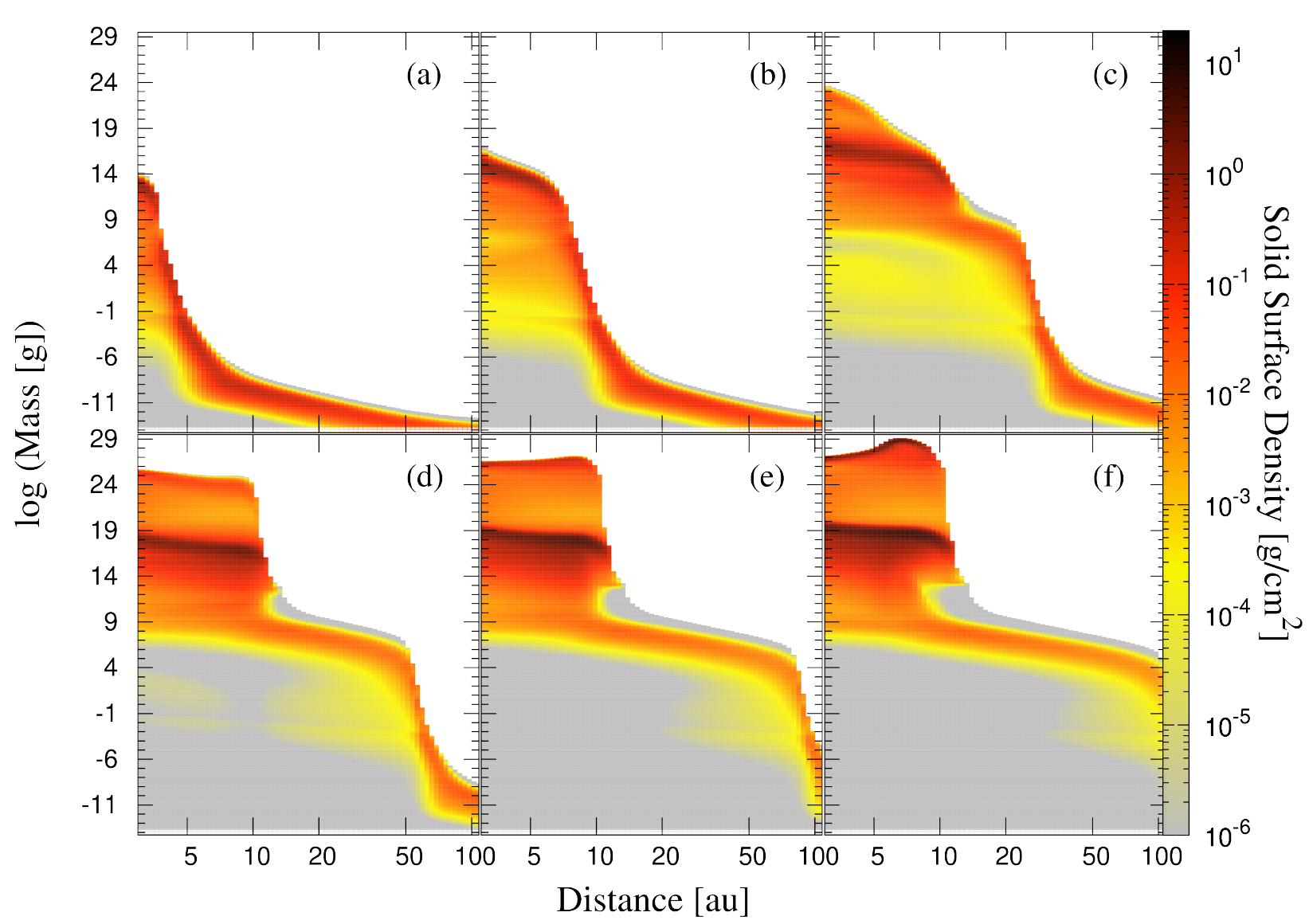
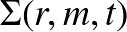
They perform a (rather classical) planet-formation simulations, solving for
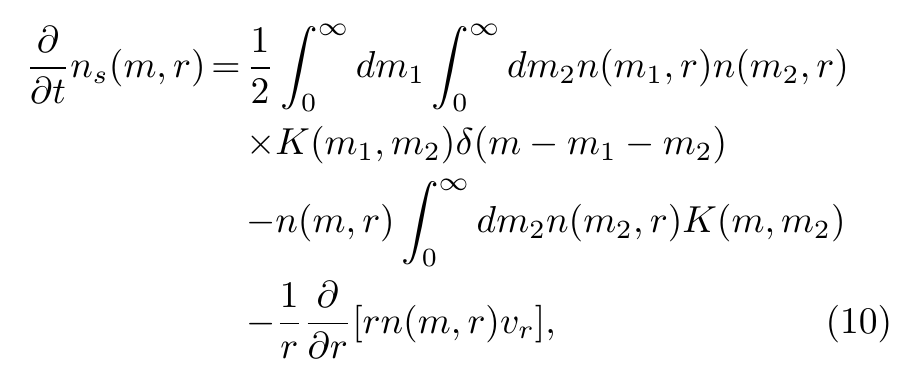
The model includes:
- coagulation (but no fragmentation)
- planetesimal formation (by crossing St=1 barrier!)
- migration of pebbles (drift), planetesimals, and planets (Type I)
- gravitational focusing (runway growth)
- atmosphere enhancement of Rp
1 ME
0.1 ME
(fluffy) pebbles)
1 ME
0.1 ME
(fluffy) pebbles)
crossed
1 ME
0.1 ME
(fluffy) pebbles)
crossed
growth
Better than Pebble Accretion?
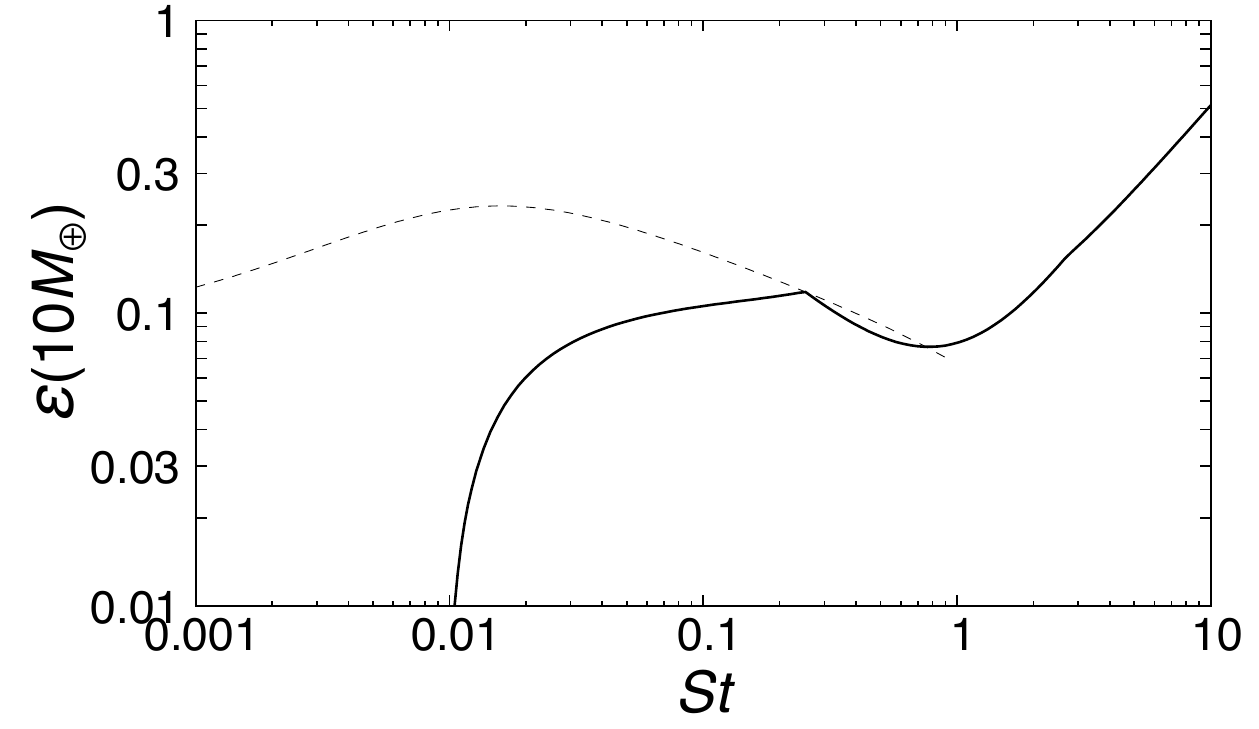
efficiency
(Okamura & Kobayashi)