Stars and Planets

— Course description —
Chris Ormel

Stars and Planets
Instructor: Prof. Chris Ormel
New Physics Building, 2nd floor, E223
chrisormel@tsinghua.edu.cn
Teaching Assistant: Zhixuan Li (李志炫)
l-zx24@mails.tsinghua.edu.cn
Time: Thursday 19:20—21:45
Course layout
- Lectures
- Problem sets discussion
- Student presentations on special topic (final weeks)
- (Student reports)
- Exam
communication
- Tsinghua Cloud
- course announcement (e.g., homework deadlines)
- course material (problem sets, pdf printouts, data files)
- do bookmark this site!
- WeChat group
- use for notifications and questions
- use English; we will ignore any messages in Chinese
- WebLearning (https://learn.tsinghua.edu.cn/)
- for homework returns
course number is 40920013-90
- for homework returns
- Email
- homework return (if system is offline)
- for office hour appointments
- these html Lectures notes

(please, leave the channel if you decide to drop the course)
7 Modules
-
Light
How light plays its role in Astronomydistances, radiation, magnitudes, HR-diagram, atmospheres
- Matter under astrophysical conditions
- Evolution
- Atmospheres
- Birth
- Exoplanets
- Planet Dynamics
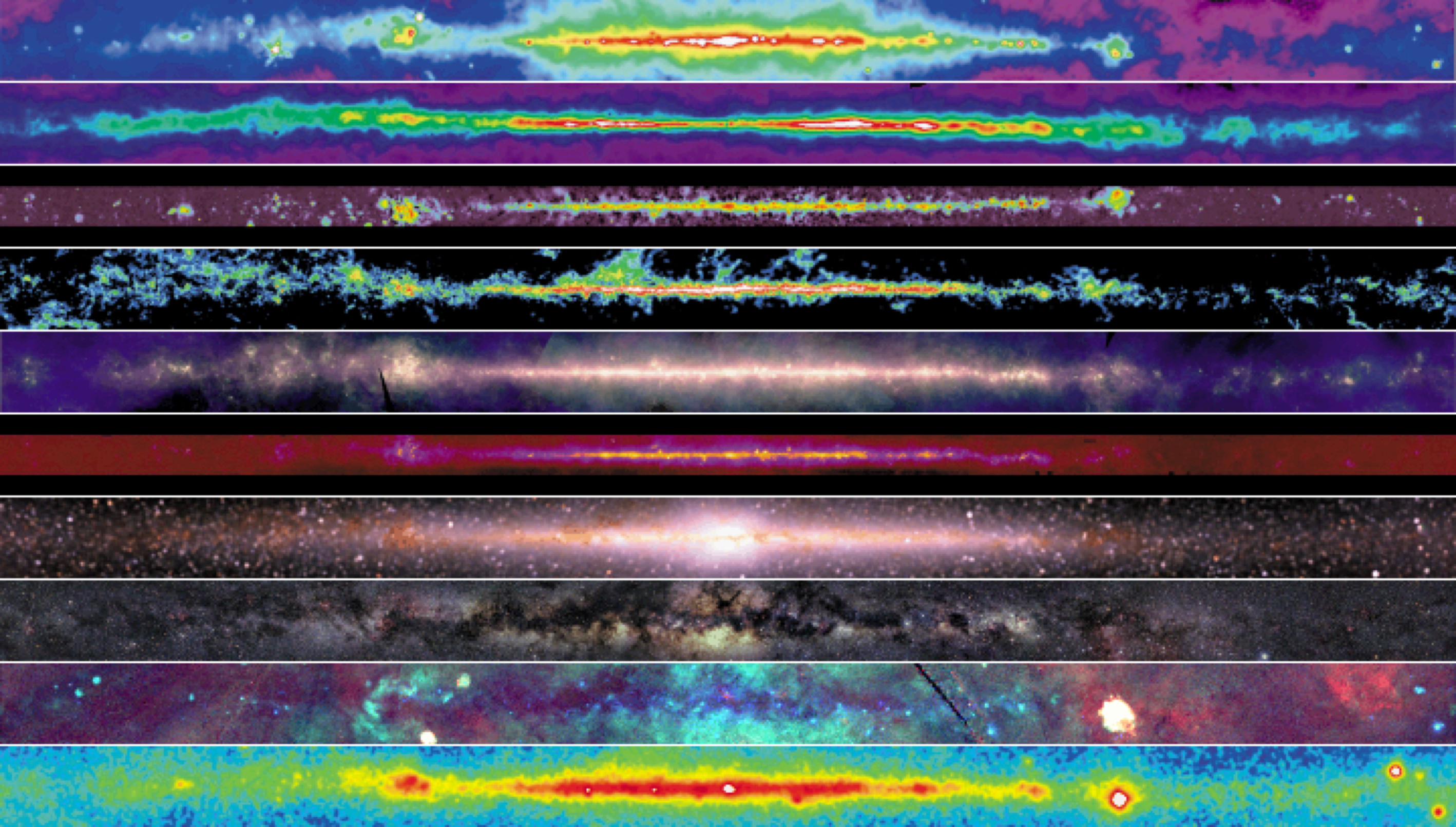
7 Modules
- Light
-
Matter under astrophysical conditions
How does material behave in stars?Equations of States: degenerate matter, hydrostatic balance, polytropes
Nuclear fusion: energy reservoirs, proton-proton & CNO cycle, nucleosynthesis - Evolution
- Atmospheres
- Birth
- Exoplanets
- Planet Dynamics
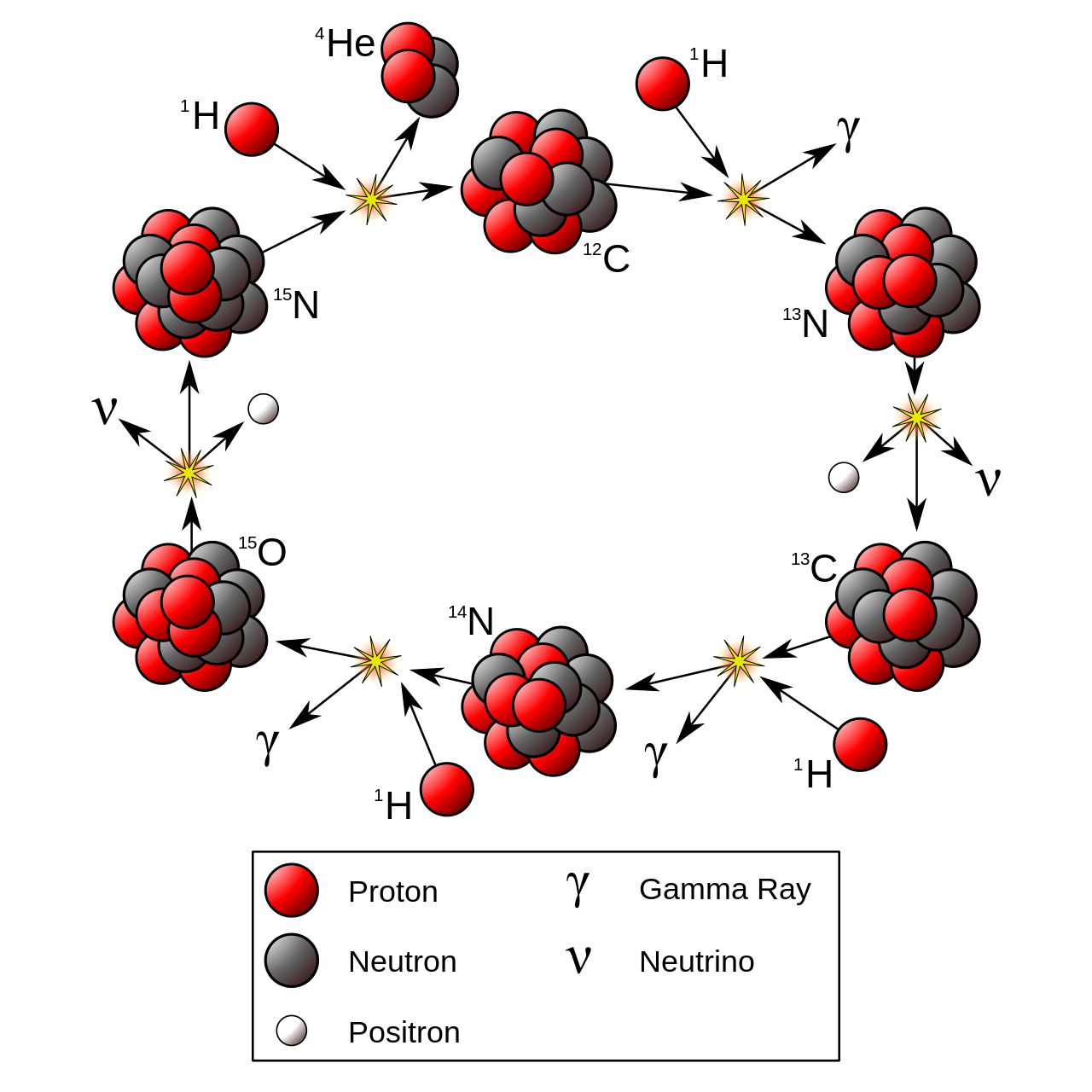
7 Modules
- Light
- Matter under astrophysical conditions
-
Evolution
How do stars evolve and meet their end?mean free path and opacity, energy transport, stellar structure equations, stellar evolution, features in HR-diagram, homology, burning sequences, nucleosynthesis
- Atmospheres
- Birth
- Exoplanets
- Planet Dynamics
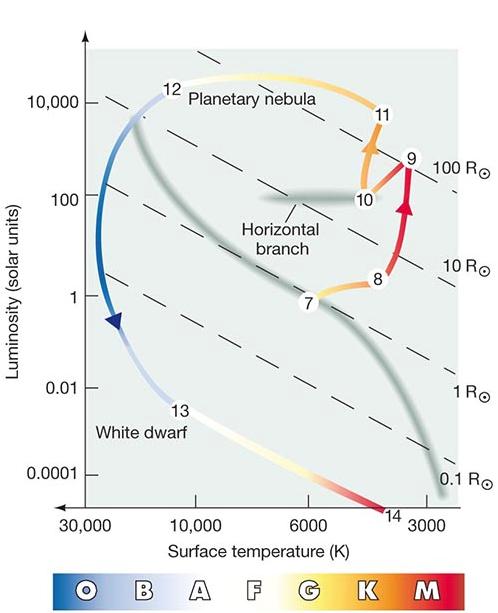
7 Modules
- Light
- Matter under astrophysical conditions
- Evolution
-
Atmospheres
How do the observational properties of stars and planets come about?Electronic/vibrational, and rotational transitions, H-atom, ionization, greenhouse
- Birth
- Exoplanets
- Planet Dynamics
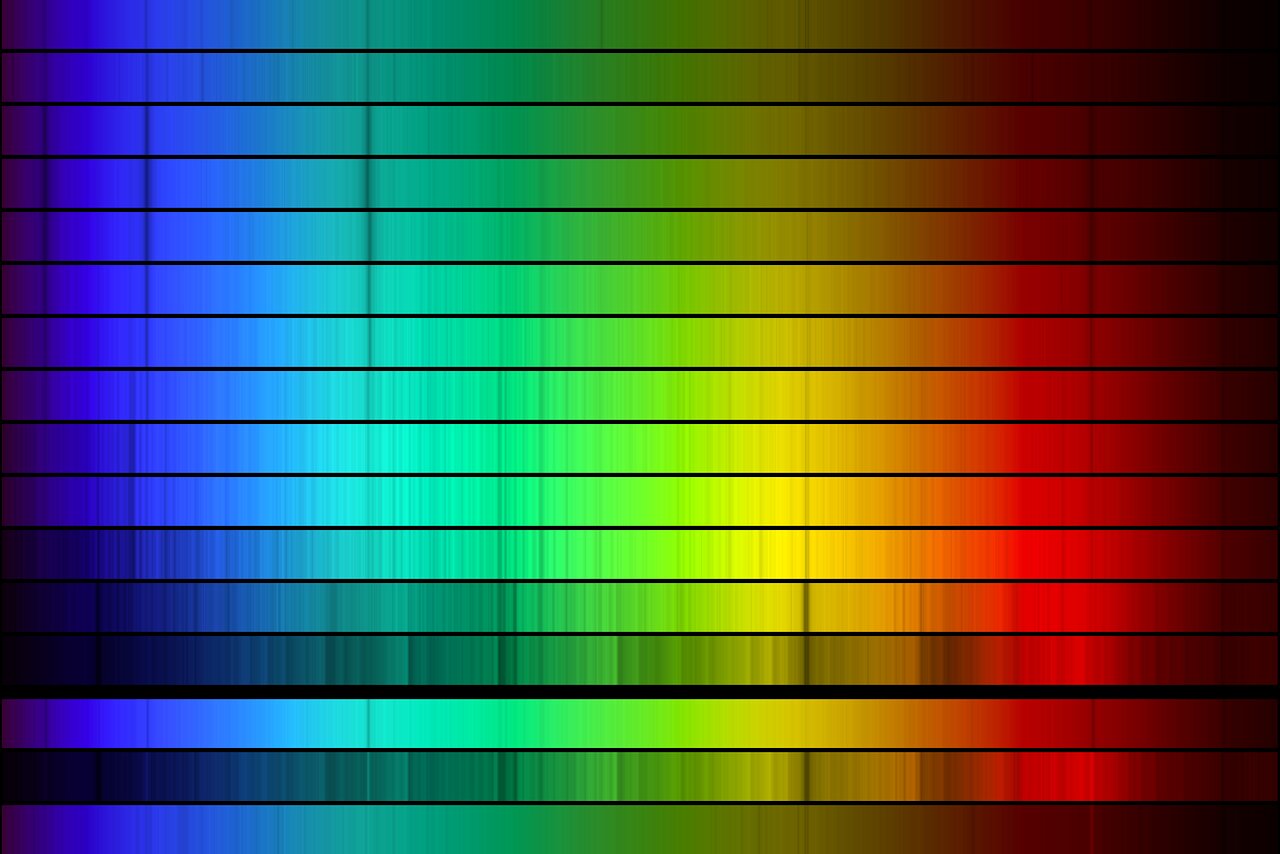
7 Modules
- Light
- Matter under astrophysical conditions
- Evolution
- Atmospheres
-
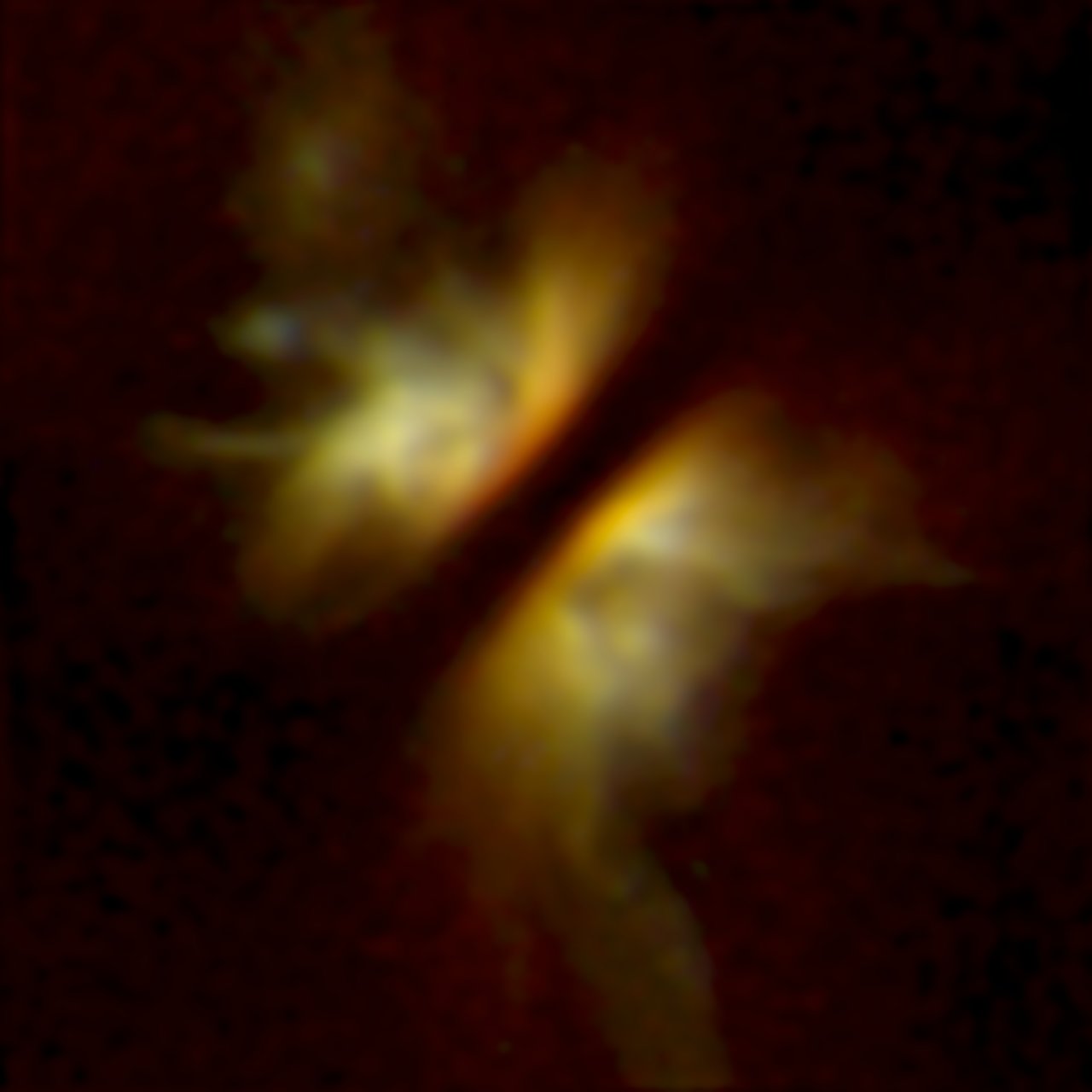
Birth
How do stars and planets form?Star formation: virial theorem, Jeans mass, initial mass function, Eddington Luminosity, Dispersion relationship, gravitational instability
Planet formation: protoplanetary disks, disk instability and core accretion, gravitational focusing and runaway growth - Exoplanets
- Planet Dynamics
7 Modules
- Light
- Matter under astrophysical conditions
- Evolution
- Atmospheres
- Birth
-
Exoplanets
How are the >5200 detected exoplanets found?planet detection techiques: radial velocity method, transits, microlensing, astrometry, direct imaging
- Planet Dynamics
7 Modules
- Light
- Matter under astrophysical conditions
- Evolution
- Atmospheres
- Birth
- Exoplanets
-
Planet Dynamics
How do planets move around stars?The two body problem, orbital elements, resonances, numerical integration techniques; three body problem, Lagrange points, tides, Earth-Moon system
Material
- Reference Books
- An Introduction to Modern Astrophysics
2nd edition; Carroll & Ostlie (2006); Main reference book for this course (but not all chapters will be discussed!) [jd.com]
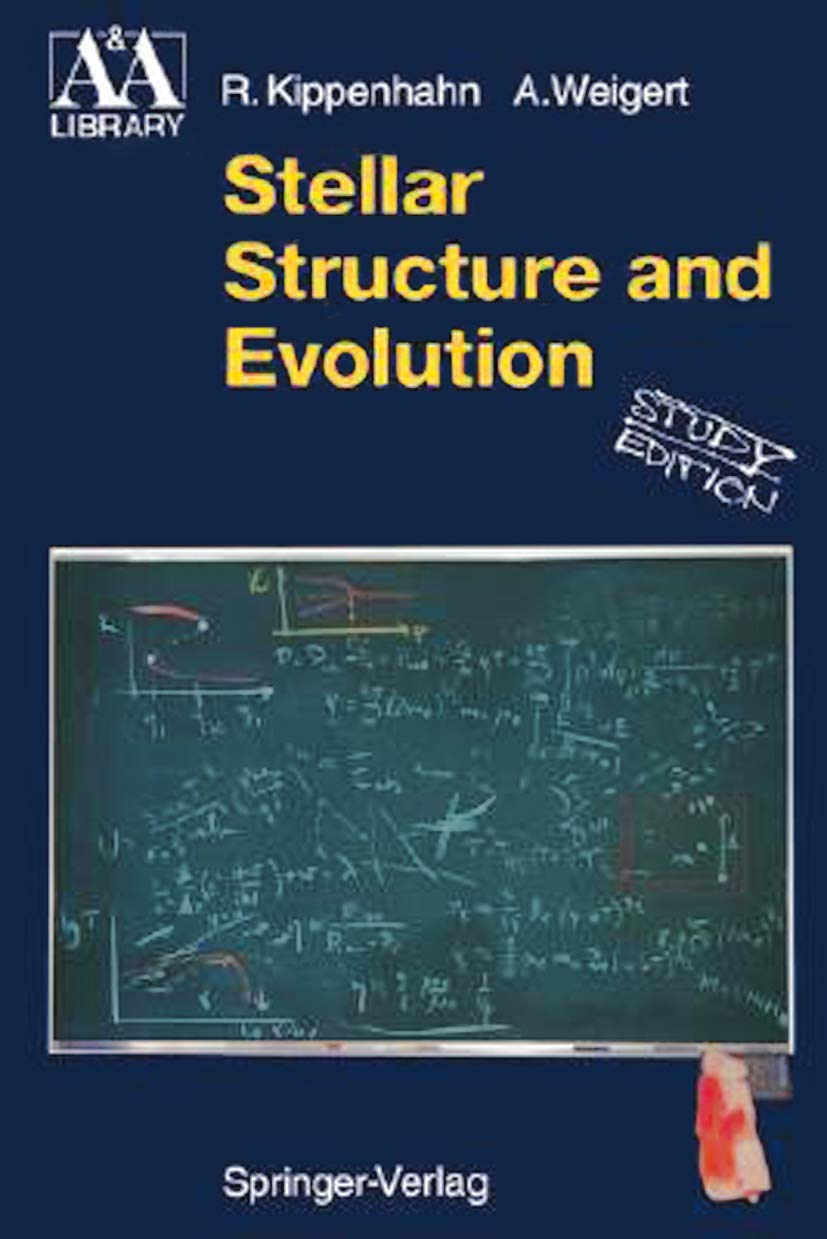
- Stellar Structure and Evolution
(Astronomy and Astrophysics Library) 3 STG Edition by Kippenhahn, Rudolf, Weigert, Alfred published by Springer (1996)
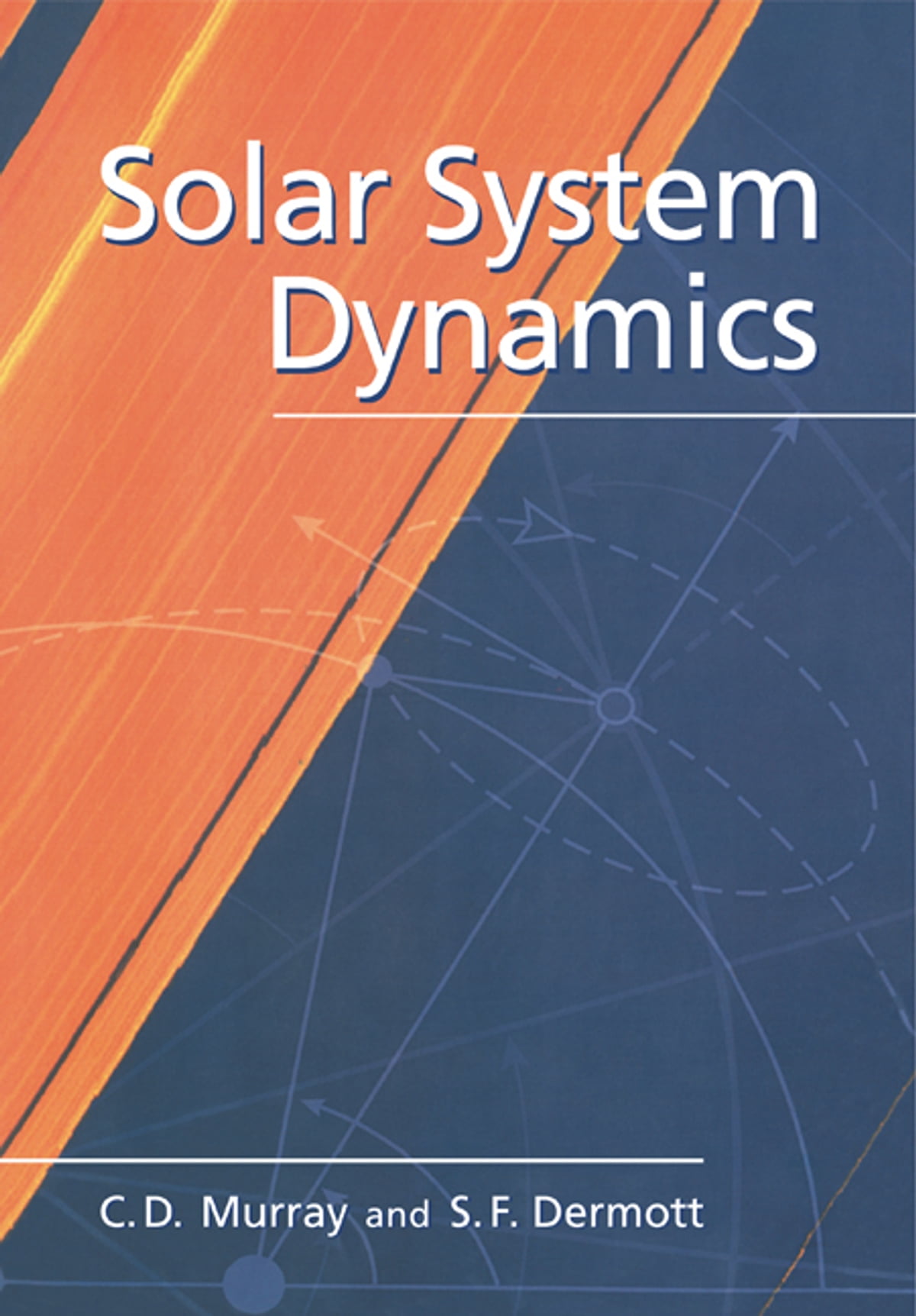
- Solar System Dynamics
by Murray & Dermott, Cambridge University Press (1999)
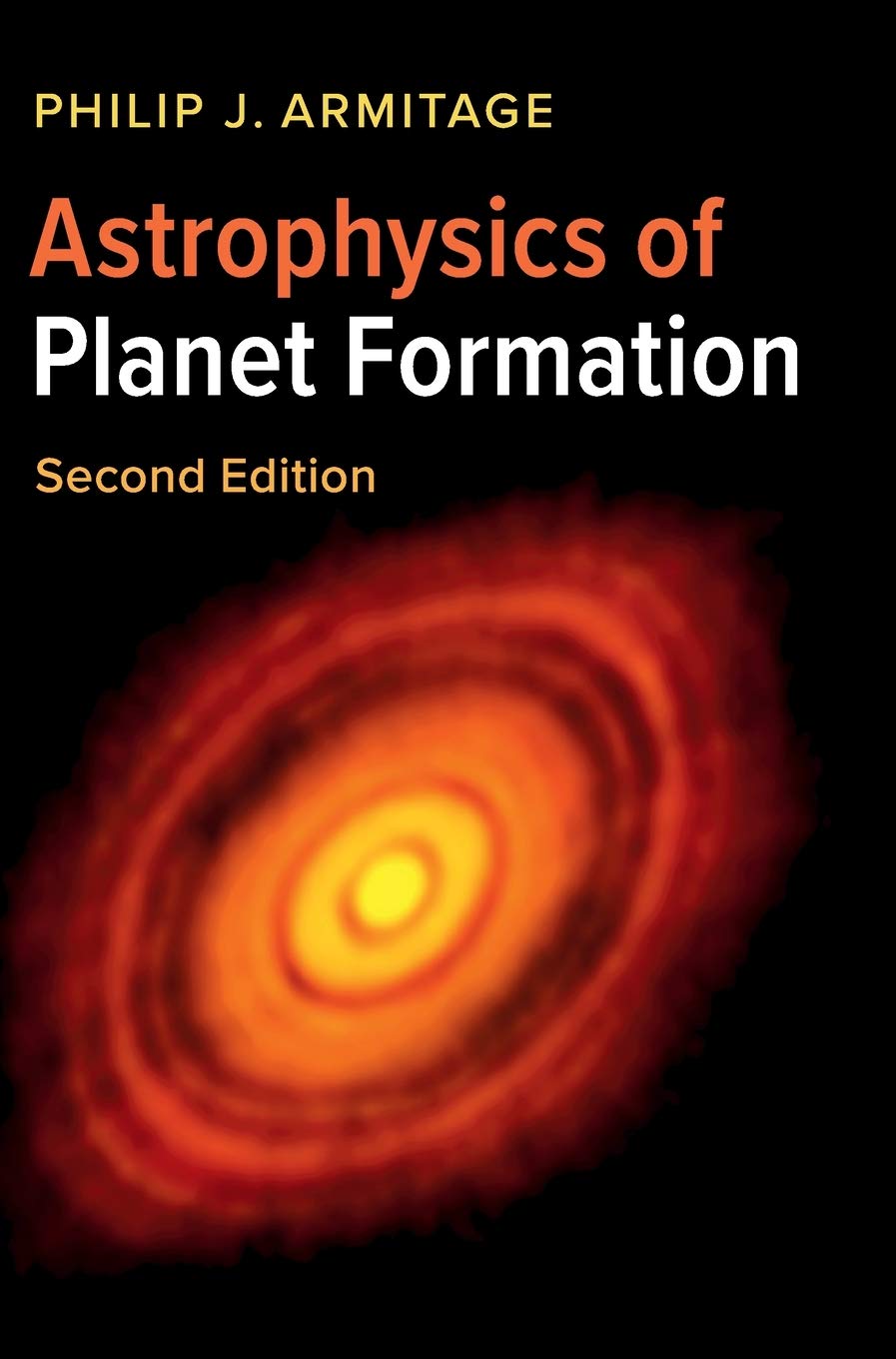
- The Astrophysics of Planet Formation
by Armitage, Cambridge University Press (2009)
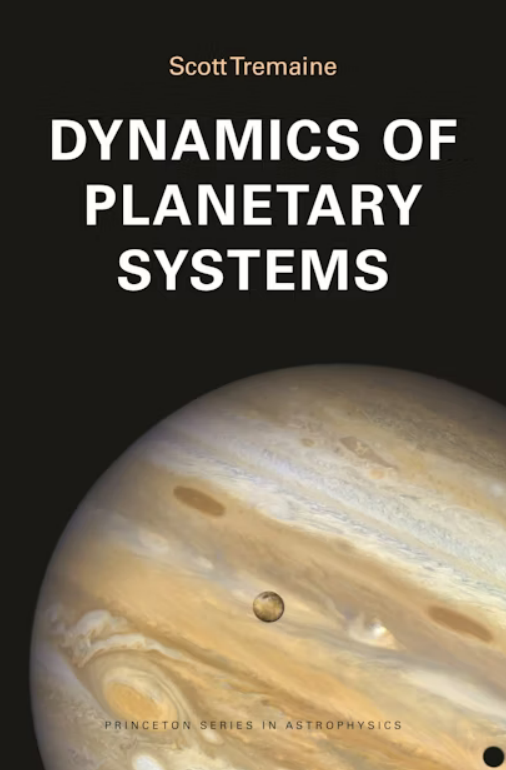
- Dynamics of Planetary Systems
by Tremaine, Cambridge University Press (2009)
- An Introduction to Modern Astrophysics

Material
Material
- Reference Books
- An Introduction to Modern Astrophysics
- Html lecture notes
- Available from my homepage
- Princeton Series in Astrophysics Mind nested pages !!
- hint: press
ofor slide overview


Material
- Reference Books
- An Introduction to Modern Astrophysics
- Html lecture notes
- Available from my homepage
- Princeton Series in Astrophysics
- read all the text. You should for sure learn all
magenta-highlighted
terms!
Don't forget to read the small fonts. I may skip some details in class, but it may help you to comprehend the material when you reviewing it.
Material
- Reference Books
- An Introduction to Modern Astrophysics
- Html lecture notes
- Available from my homepage
- Princeton Series in Astrophysics
- Blackboard
You need to be able to follow, understand, and derive yourself the material presented on the blackboard.
Some material may not be covered in the book! So, do attend the lectures!

Material
- Reference Books
- An Introduction to Modern Astrophysics
- Html lecture notes
- Available from my homepage
- Princeton Series in Astrophysics
- Blackboard
You need to be able to follow, understand, and derive yourself the material presented on the blackboard.
- Online resources (www) and (especially) Wikipedia
Wikipedia is today's Library of Alexandria. A true gem, indispensable to the modern scientist.
I have tried to place references (links) as much as possible. You should do the same in your reporting.
grading
grading
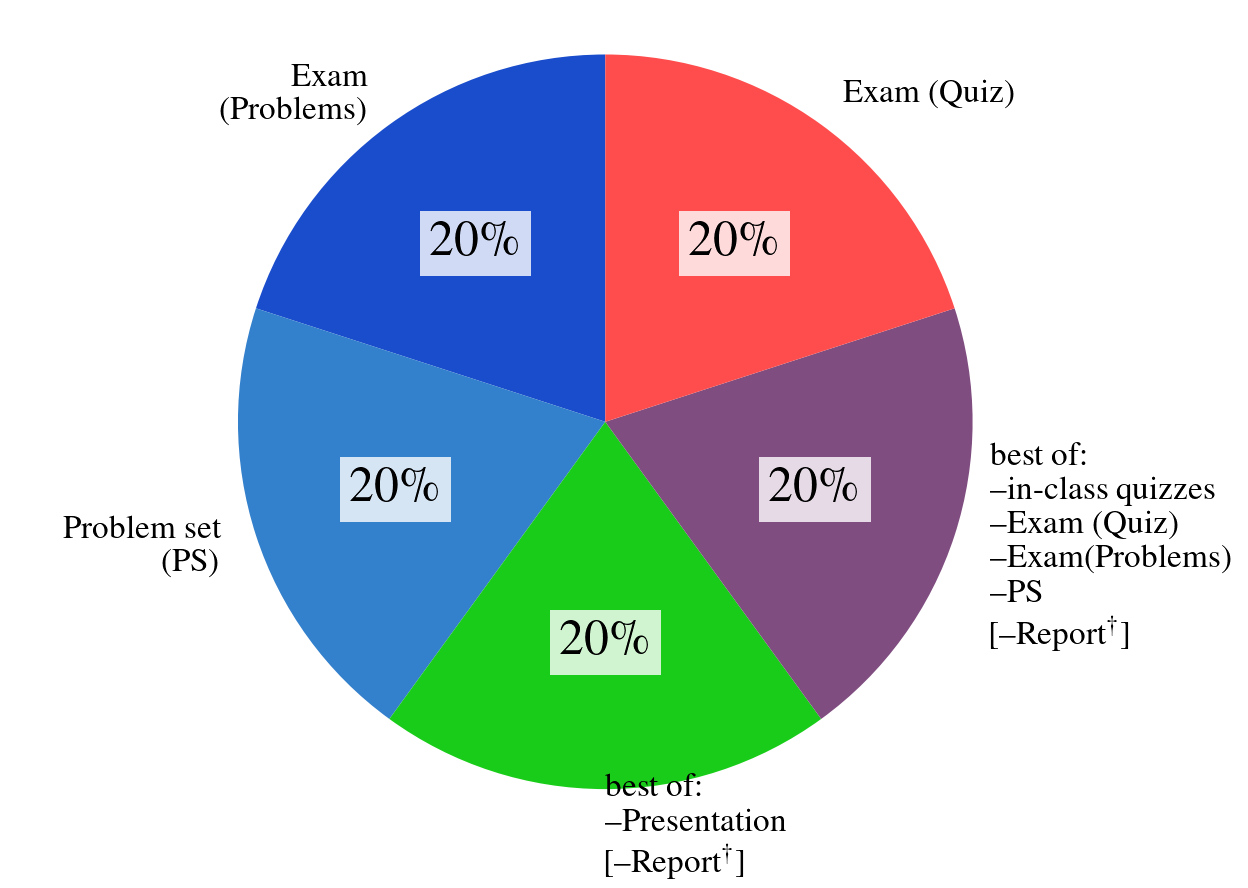
Grade = 0.2
PS
+ 0.2
Exam/quiz
+ 0.2
Exam/Problems
)
+0.2 max(
Presentation,[Report†]
)
+0.2 max(
Exam/Quiz,
in-class quizzes,
Exam/Probl.,
PS,
[Report†]
)
Course Elements and Grade contribution
- Problem sets (20%)
In addition, the score can also be used towards the Free Area
- Exam:
- Problem part (20%)
Similar to the Problem Sets. The score can contribute towards your Free Areas
- Quiz part (20%)
Similar to the in-class quizzes. Multiple choice questions
- Problem part (20%)
- In-class quizzes
multiple choice questions about the 7 modules. The score can contribute towards your Free Area.
- Research Project
- Presentation (20%)
Every students gives a presentation about their project. Scheduled for the final 2 weeks. The score on the presentation can be replaced by the report.
- Report†
This is optional. You can replace the score of the Presentation with it OR count it towards the Free Area (but not both!)
- Presentation (20%)
grading
Grade = 0.2
PS
+ 0.2
Exam/quiz
+ 0.2
Exam/Problems
)
+0.2 max(
Presentation,[Report†]
)
+0.2 max(
Exam/Quiz,
in-class quizzes,
Exam/Probl.,
PS,
[Report†]
)
More grade optimization
- Best of Presentation or Report I (20%)
The report is optional.
- 20% of your final grade falls in the Free Area. This is the best of your score on:
- Problem sets
- Exam (Problems part)
- Exam (Quizzes)
- Report
grading
Grade = 0.2
PS
+ 0.2
Exam/quiz
+ 0.2
Exam/Problems
)
+0.2 max(
Presentation,[Report†]
)
+0.2 max(
Exam/Quiz,
in-class quizzes,
Exam/Probl.,
PS,
[Report†]
)
Examples
| Name | PS | Ex/Q | Ex/Pr | in-class Q. | Present. | Report | Free Area |
|---|---|---|---|---|---|---|---|
| Ann | 0.4 | 0.2 | 0.2 | — | — | 0.2 | PS |
| Bart | 0.2 | 0.2 | — | — | 0.2 | 0.4 | Report |
| Caro | 0.2 | 0.2 | 0.2 | 0.2 | 0.2 | — | in-class quizzes |
| Donald | 0.2 | 0.2 | 0.4 | — | 0.2 | — | Exam/Problems |
| contribution of various components to the final grade | |||||||
- Ann struggles with her presentation and the in-class quizzes. She performs very well on her PS
- Bart writes a very impressive report
- Caro excels in the conceptual quizzes during the lectures.
- Donald does not want to write a report. He performs extremely well on the exam day.
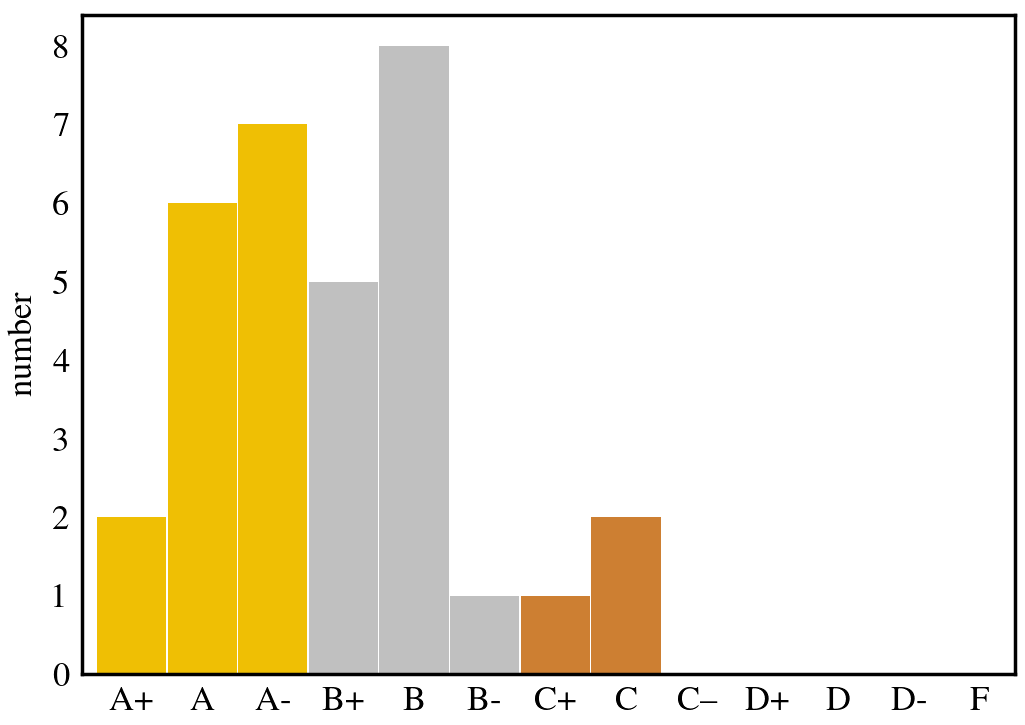
historical grade distribution
for the Stars and Planets course
Problem sets
- About 6 in total. Typically 1 per module.
PS will be distributed on the day when the module is first discussed in class. They must be returned one week after the last day the module has been covered in class
- Collaboration is allowed, but hand in by yourself
you should be able to motivate and reproduce your solution independently. We will be very strict on academic misconduct. Do NOT blindly copy homework from others. Do NOT conduct in plagiarism when writing reports. Always state references.
- Go easy on chatGPT/DeepSeek or other AI-tools
you do not learn anything when asking chatGPT to solve the problems for you, it will lead to lower grades, and it will take the TA much more effort to grade. Same rules as under collaboration apply. If you cannot reproduce your own solution or you cannot explain your methodology, you will get 0 points for the entire PS.
- Hand in solutions as pdf or hand-written.
- Scans/photos/MS-word docs are not allowed! Write in English.
- Those that typeset their PS beautifully (text, equations, and figures) will be awarded a +10pt bonus;
- Our strong suggestion: use Latex/Overleaf
- Upload pdf solutions to WebLearning
- Strict deadlines. Late returns are subject to a —10pt penalty/day
problem sets tips and examples
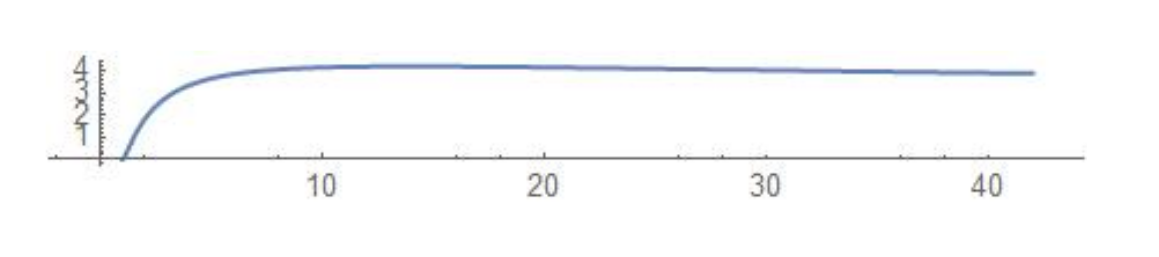
- Label figures (axes!) appropriately
- When using LaTeX, use equation environment
\begin{equation} E=mc^2 \end{equation} - Do not insert screenshots of source code into your answer
- Write down the symbolic expression first, then fill in numbers.
No need to write down the numerical values if these have already been stated.
When asked ("What is", "Give the value", etc...) do give the numerical value at the end!
- State the units
- Give only 1 answer!
Suggestion: start with your primary answer and state additional arguments in brackets. (We will ignore them when they are wrong)
problem sets tips and examples
- Label figures (axes!) appropriately
- When using LaTeX, use equation environment
\begin{equation} E=mc^2 \end{equation} - Do not insert screenshots of source code into your answer
- Write down the symbolic expression first, then fill in numbers.
No need to write down the numerical values if these have already been stated.
When asked ("What is", "Give the value", etc...) do give the numerical value at the end!
- State the units
- Give only 1 answer!
Suggestion: start with your primary answer and state additional arguments in brackets. (We will ignore them when they are wrong)

problem sets tips and examples
- Label figures (axes!) appropriately
- When using LaTeX, use equation environment
\begin{equation} E=mc^2 \end{equation} - Do not insert screenshots of source code into your answer
- Write down the symbolic expression first, then fill in numbers.
No need to write down the numerical values if these have already been stated.
When asked ("What is", "Give the value", etc...) do give the numerical value at the end!
- State the units
- Give only 1 answer!
Suggestion: start with your primary answer and state additional arguments in brackets. (We will ignore them when they are wrong)
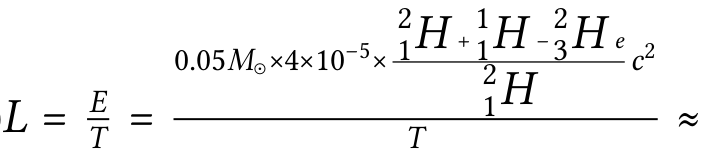
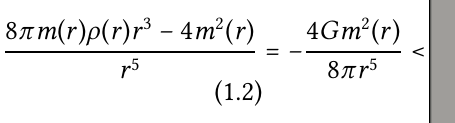
problem sets tips and examples
- Label figures (axes!) appropriately
- When using LaTeX, use equation environment
\begin{equation} E=mc^2 \end{equation} - Do not insert screenshots of source code into your answer
- Write down the symbolic expression first, then fill in numbers.
No need to write down the numerical values if these have already been stated.
When asked ("What is", "Give the value", etc...) do give the numerical value at the end!
- State the units
- Give only 1 answer!
Suggestion: start with your primary answer and state additional arguments in brackets. (We will ignore them when they are wrong)
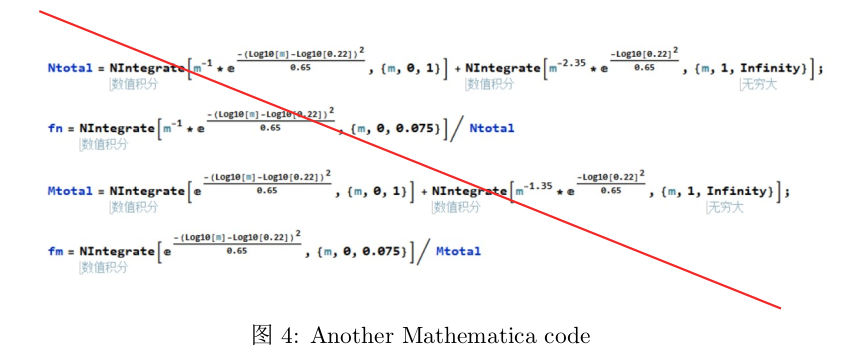
problem sets tips and examples
- Label figures (axes!) appropriately
- When using LaTeX, use equation environment
\begin{equation} E=mc^2 \end{equation} - Do not insert screenshots of source code into your answer
- Write down the symbolic expression first, then fill in numbers.
No need to write down the numerical values if these have already been stated.
When asked ("What is", "Give the value", etc...) do give the numerical value at the end!
- State the units
- Give only 1 answer!
Suggestion: start with your primary answer and state additional arguments in brackets. (We will ignore them when they are wrong)

where I=... has been used
where the above value of I has been adopted, etc.

Units in Astronomy
Like most astronomers, I will use the cgs (centimeter-gram-seconds) or Gaussian unit system.
The most radical difference with SI units is that the Gauss unit system omits proportionality constants in the electromagnetic laws. For example, the Coulomb law becomes
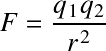
That is, without the proportionality constant of
 .
The drawback of this choice is that other electromagnetic laws — notably Maxwell's equations — also look different. But we won't use them in this course
.
The drawback of this choice is that other electromagnetic laws — notably Maxwell's equations — also look different. But we won't use them in this course
In your problem sets, you are welcome to use SI units. But take care and be consistent!
| unit | cgs unit | abbrev. | SI unit |
|---|---|---|---|
| length | centimeter | cm | 10-2m |
| time | seconds | s | 1 s |
| mass | gram | g | 10-3 kg |
| energy | erg | erg | 10-7 J |
| pressure | erg cm-3 | 10-1 Pa | |
| magnetic-B | Gauss | G | 10-4 T |
| cgs units | |||
fundamental and astronomical constants in cgs and SI
| constant | symbol | cgs value | unit | SI value | unit |
|---|---|---|---|---|---|
| Astronomical unit | au | 1.496×10¹³ | cm | 1.496×10¹¹ | m |
| Atomic mass constant | mu | 1.661×10⁻²⁴ | g | 1.661×10⁻²⁷ | kg |
| Boltzmann constant | k | 1.381×10⁻¹⁶ | erg K-1 | 1.381×10⁻²³ | J K-1 |
| Electron mass | me | 9.109×10⁻²⁸ | g | 9.109×10⁻³¹ | kg |
| Electron volt | eV | 1.602×10⁻¹² | erg | 1.602×10⁻¹⁹ | J |
| Elementary charge | e | 4.803×10⁻¹⁰ | cm3/2 g1/2 s-1 | 1.602×10⁻¹⁹ | C |
| Gravitational constant | G | 6.674×10⁻⁸ | cm3 g-1 s-2 | 6.674×10⁻¹¹ | m3 kg-1 s-2 |
| Planck constant | h | 6.626×10⁻²⁷ | erg s | 6.626×10⁻³⁴ | J s |
| Solar luminosity | L⊙ | 3.828×1033 | erg s-1 | 3.828×1026 | W |
| Solar radius | R⊙ | 6.957×10¹⁰ | cm | 6.957×10⁸ | m |
| Solar mass | M⊙ | 1.988×1033 | g | 1.988×1030 | kg |
| Speed of light in vacuum | c | 2.998×10¹⁰ | cm s-1 | 2.998×10⁸ | m s-1 |
| Stefan-Boltzmann constant | σsb | 5.670×10⁻⁵ | erg cm−2 s−1 K−4 | 5.670×10⁻⁸ | W m−2 K−4 |
| Thomson cross section | σT | 6.652×10⁻²⁵ | cm2 | 6.652×10⁻²⁹ | m2 |
| Some (fundamental) constants in cgs and SI units | |||||
Dimensional analysis
Dimensional analysis:
- to check the equations
- to predict the form of the expression
you will not get the numerical prefactor right
- Example of dimensional analysis problems:
- what is the free-fall time of a collapsing (spherical) cloud?

Order-of-magnitude physics
Order-of-magnitude (OOM) calculations
to estimate the significance of an effect without performing a "lengthy" derivation
- answer can be off by factor 10 (or more...) but likely not by much more
- use the "~" symbol
Example of OOM problems
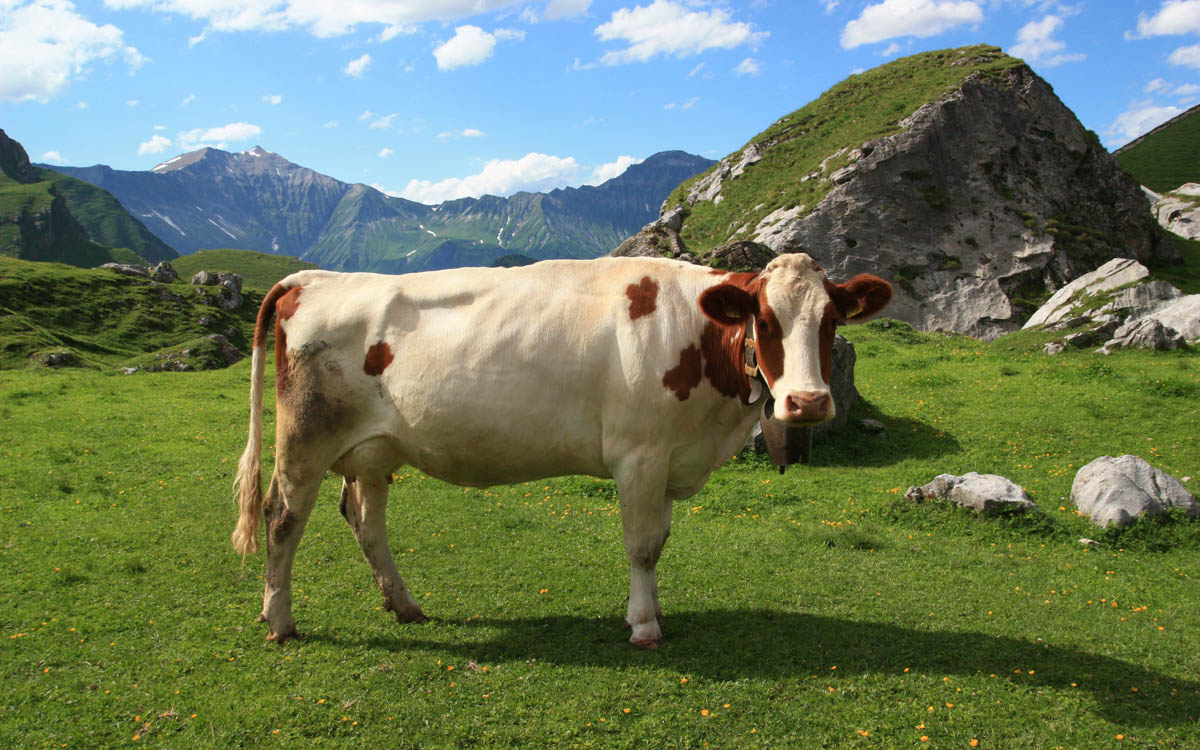
- what is the mass of a cow?
- what is the distance to the Moon; its radius; and its surface gravity?
matplotlib tutorial
for dummies
—By Zhixuan Li—
TA Zhixuan Li will host a tutorial how to use python/matplotlib and related packages. In this tutorial you will learn:
- how to install relevant packages onto your laptop
python3,matplotlib,jupyter lab,rebound - how to create publication-quality ready plots
The tutorial is voluntarily but strongly recommended, especially if you do not know how to make plots. I suggest:
- See if you can install the packages and do the assignments yourself
- Let Zhixuan Li know when you are available
Zhixuan Li will send out a WeChat questionnaire on this


research project
You will be conducting a mini research project in the field of stellar evolution. The procedure is the following:
- You complete the MESA Tutorial and its exercises.
See the MESA Project Manual in Tsinghua Cloud for further guidance. The performance must be satisfactory, as judged by TA Zhixuan Li. Note: if the performance is unsatisfactory, we will return the questions and you can only resubmit after 1 week. Submit well before the deadline.
- You pick a project from the list
See the Project Manual. The deadline to complete the problems and pick a project is 25 April. Projects are distributed on a first come, first serve basis.
- You report on your findings in class during the final 2 teaching weeks
- You write a report about your findings
This is optional. See grading procedure.
| topic | level |
|---|---|
| evolution of ... star | |
| 0.5 solar mass | ☆ |
| 2 solar mass | ☆ |
| 5 solar mass | ☆ |
| ... | ☆ |
| advanced problems | |
| mass loss during the RGB | ☆☆ |
| stellar variability | ☆☆ |
| Horizontal Branch and Red Clump | ☆☆ |
| Brown Dwarfs | ☆☆ |
| ... | ☆☆ |
Weekly Notes
Notes 28.05
Agenda today:
- Finish Module 7: Tides
- Presentation hints
MESA project topics
| Chi Zhang | Stellar variability |
| Hongrui Mu | Brown Dwarfs |
| Lerong Liu | Horizontal Branch and Red Clump stars |
| Liziheng Fan | Mass loss on the Red Giant Branch |
| Xinxin Ma | Evolution of a 10 solar mass star |
| Zimo Cheng | The properties of the convective zone of solar-mass stars |
| day | agenda | notes |
|---|---|---|
| 28.05 | finish M7/planet dynamics | |
| 04.06 | Chi Zhang Hongrui Mu Lerong Liu Liziheng Fan | |
| 05.06 | 23:59 | Deadline PS-6 |
| 11.06 | Xinxin Ma Zimo Cheng PS-6 discussion | Quiz-M7 |
| 16.06 | EXAM 14:30—17:30 E225 | |
| 26.06 | deadline to submit your mini-research project report | |
| 03.07 17:00 | deadline to submit final grades (teaching team) | |
| remaining schedule | ||
Notes 21.05
Agenda today:
- Continue Module 7: Resonances
- Quiz-M6/7a
- Discuss PS-5 (TA Zhixuan Li)
- Discuss PS-6 questions
- Continue Module 7: 3-body problem
MESA project topics
| Chi Zhang | Stellar variability |
| Hongrui Mu | Brown Dwarfs |
| Lerong Liu | Horizontal Branch and Red Clump stars |
| Liziheng Fan | Mass loss on the Red Giant Branch |
| Xinxin Ma | Evolution of a 10 solar mass star |
| Zimo Cheng | The properties of the convective zone of solar-mass stars |
| day | agenda | notes |
|---|---|---|
| 21.05 | M7/planet dynamics Discuss PS-5 | Quiz-M6/7 |
| 28.05 | finish M7/planet dynamics | |
| 04.06 | Chi Zhang Hongrui Mu Lerong Liu Liziheng Fan | Deadline PS-6 |
| 11.06 | Xinxin Ma Zimo Cheng PS-6 discussion | Quiz-M7 |
| 16.06 | EXAM 14:30—17:30 | |
| TBD | deadline to submit your mini-research project report | |
| TBD | deadline to submit final grades (teaching team) | |
| remaining schedule | ||
Notes 14.05
Agenda today:
- Deadline PS-5
- Quiz-M5
- End Module 6 Exoplanets
- Start Module 7 Dynamics
MESA project topics
| Chi Zhang | Stellar variability |
| Hongrui Mu | Brown Dwarfs |
| Lerong Liu | Horizontal Branch and Red Clump stars |
| Liziheng Fan | Mass loss on the Red Giant Branch |
| Xinxin Ma | Evolution of a 10 solar mass star |
| Zimo Cheng | The properties of the convective zone of solar-mass stars |
| day | agenda | notes |
|---|---|---|
| 14.05 | M6/Exoplanets; M7/planet dynamics | Quiz-M5 Deadline PS-5 |
| 21.05 | M7/planet dynamics Discuss PS-5 | Quiz-M6/7 |
| 28.05 | finish M7/planet dynamics | |
| 04.06 | Chi Zhang Hongrui Mu Lerong Liu Liziheng Fan | Deadline PS-6 |
| 11.06 | Xinxin Ma Zimo Cheng PS-6 discussion | Quiz-M7 |
| 16.06 | EXAM 14:30—17:30 | |
| TBD | deadline to submit your mini-research project report | |
| TBD | deadline to submit final grades (teaching team) | |
| remaining schedule | ||
Notes 07.05
Agenda today:
- Recap PS-3, PS-4
- End Module 5 Birth
MESA project topics
| Chi Zhang | Stellar variability |
| Hongrui Mu | Brown Dwarfs |
| Lerong Liu | Horizontal Branch and Red Clump stars |
| Liziheng Fan | Mass loss on the Red Giant Branch |
| Xinxin Ma | Evolution of a 10 solar mass star |
| Zimo Cheng | The properties of the convective zone of solar-mass stars |
| day | agenda | notes |
|---|---|---|
| 04.05 | Deadline PS-4 | |
| 07.05 | finish M5/Birth | |
| 14.05 | M6/Exoplanets; M7/planet dynamics | Quiz-M5 Deadline PS-5 |
| 21.05 | M7/planet dynamics Discuss PS-5 | Quiz-M6/7 |
| 28.05 | finish M7/planet dynamics | |
| 04.06 | Chi Zhang Hongrui Mu Lerong Liu Liziheng Fan | Deadline PS-6 |
| 11.06 | Xinxin Ma Zimo Cheng PS-6 discussion | Quiz-M7 |
| TBD | EXAM | |
| TBD | deadline to submit your mini-research project report | |
| remaining schedule | ||
Notes 23.04
Agenda today:
- Quiz-4
- Start Module 5 Birth
MESA project topics
| Hongrui Mu | |
| Lerong Liu | |
| Liziheng Fan | Mass loss on the Red Giant Branch |
| Xinxin Ma | |
| Zhang Chi | |
| Zimo Cheng | The properties of the convective zone of solar-mass stars |
| day | agenda | notes |
|---|---|---|
| 23.04 | M5/Birth | Quiz-M4 |
| 30.04 | deadline to finalize the topic of your mini-research project | |
| Labor day holiday — no class | ||
| 04.05 | Deadline PS-4 | |
| 07.05 | finish M5/Birth | |
| 14.05 | M6/Exoplanets; M7/planet dynamics | Quiz-M5 |
| 21.05 | M7/planet dynamics | |
| 28.05 | M7/planet dynamics | |
| 04.06 | project presentations | |
| 11.06 | project presentations | Last teaching day |
| TBD | EXAM | |
| TBD | deadline to submit your mini-research project report | |
| remaining schedule | ||
Notes 16.04
Agenda today:
- Deadline PS-3
- Finish Module 4 (atmospheres)
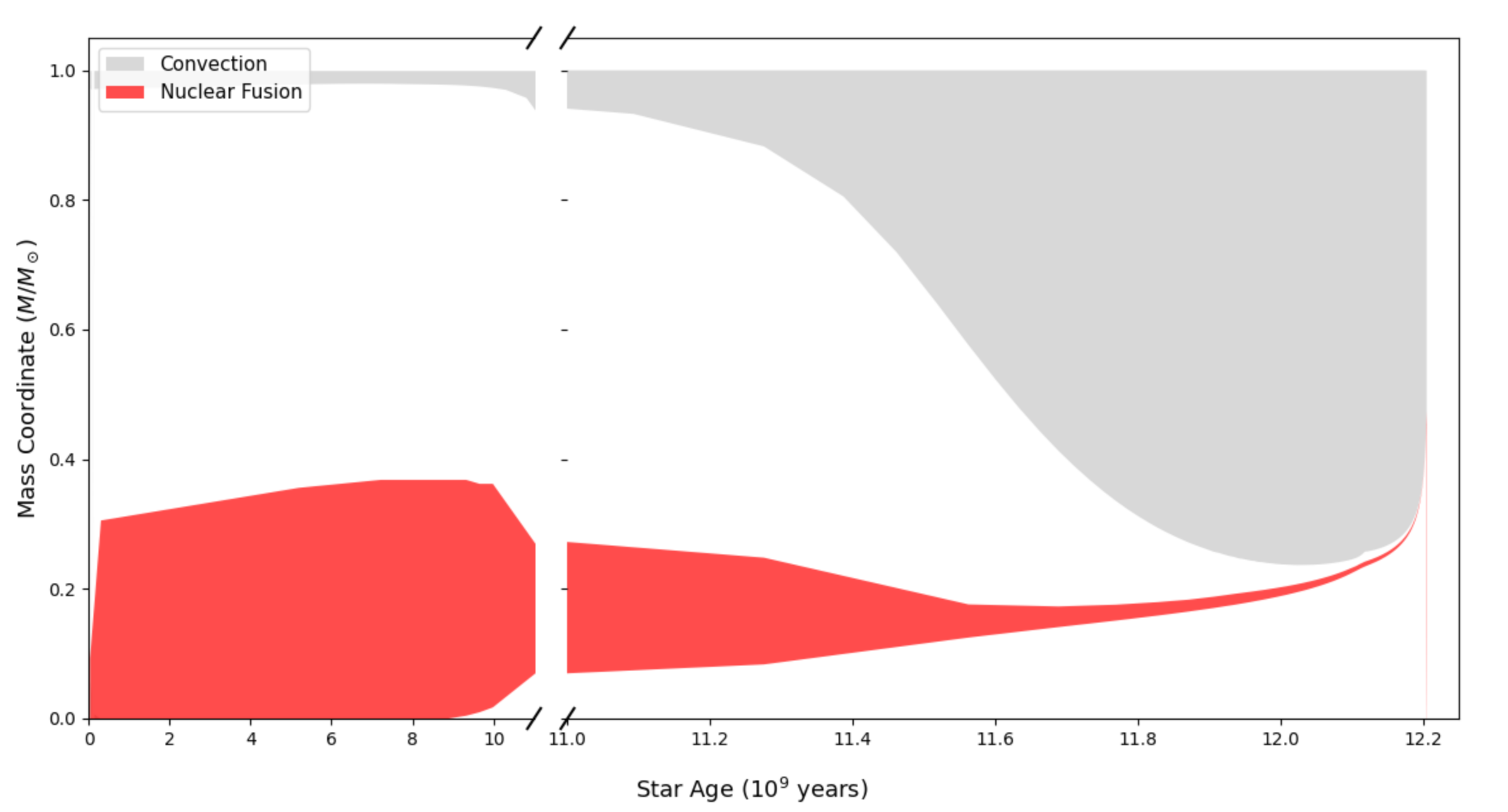
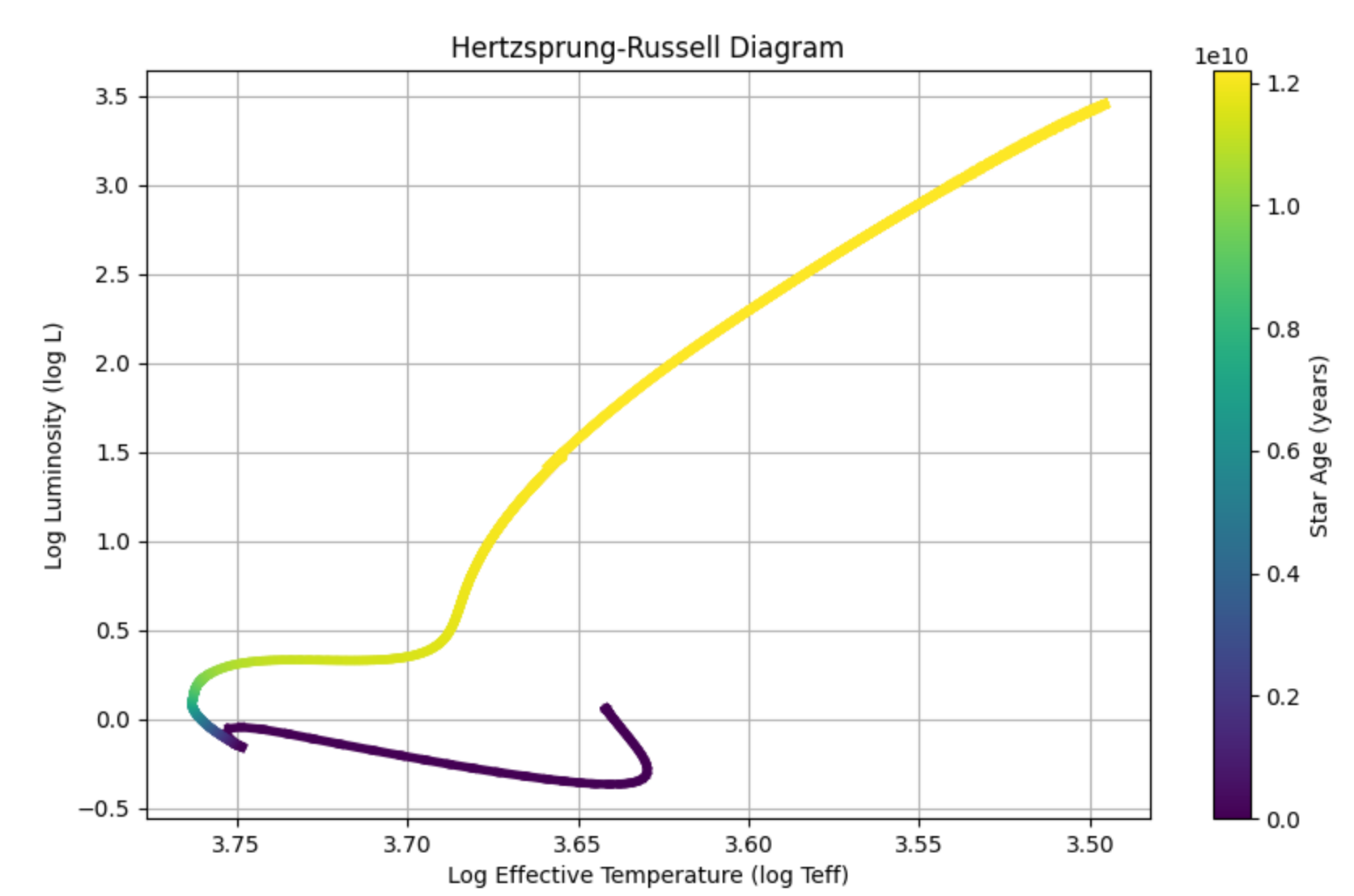
MESA project:
| day | agenda | notes |
|---|---|---|
| 16.04 | M4/Atmospheres | deadline PS-3 |
| 23.04 | M5/Birth | Quiz-M4 |
| 25.04 | deadline to finalize the topic of your mini-research project | |
| 30.04 | Labor day holiday — no class | deadline PS-4 |
| 07.05 | M5/Birth | |
| 14.05 | M6/Exoplanets; M7/planet dynamics | |
| 21.05 | M7/planet dynamics | |
| 28.05 | M7/planet dynamics | |
| 04.06 | project presentations | |
| 11.06 | project presentations | Last teaching day |
| TBD | EXAM | |
| TBD | deadline to submit your mini-research project report | |
| remaining schedule | ||
Notes 09.04
Agenda today:
- Finish Module 3 (stellar evolution)
- Quiz 3
- Review PS-3 questions
- Review PS-2 questions (TA Zhixuan Li)
- MESA tutorial
(❌TA-assistant Xiang🏥)
| day | agenda | notes |
|---|---|---|
| 09.04 | M3/Evolution MESA tutorial (TA-A Xiang) | Quiz-M3 |
| 16.04 | M4/Atmospheres | deadline PS-3 |
| 23.04 | M5/Birth | Quiz-M4 |
| 25.04 | deadline to finalize the topic of your mini-research project | |
| 30.04 | Labor day holiday — no class | deadline PS-4 |
| 07.05 | M5/Birth | |
| 14.05 | M6/Exoplanets; M7/planet dynamics | |
| 21.05 | M7/planet dynamics | |
| 28.05 | M7/planet dynamics | |
| 04.06 | project presentations | |
| 11.06 | project presentations | Last teaching day |
| TBD | EXAM | |
| TBD | deadline to submit your mini-research project report | |
| remaining schedule | ||
Notes 02.04
Agenda today:
- Continue Module 3 (stellar structure eqs, homology)
- MESA tutorial (TA-assistant Xiang)
| day | agenda | notes |
|---|---|---|
| 02.04 | M3/Evolution MESA tutorial (TA-A Xiang) | discuss PS-2 |
| 09.04 | M3/Evolution MESA tutorial (TA-A Xiang) | Quiz-M3 |
| 16.04 | M4/Atmospheres | deadline PS-3 |
| 23.04 | M5/Birth | |
| 25.04 | deadline to finalize the topic of your mini-research project | |
| 30.04 | Labor day holiday — no class | deadline PS-4 |
| ... | (4 May lectures) | |
| 04.06 | project presentations | |
| 11.06 | project presentations | Last teaching day |
| TBD | exam | |
| upcoming schedule | ||
Notes 26.03
Agenda today:
- Deadline PS-2
- Continue Module 3 (opacity, energy transport)
- MESA tutorial (TA-assistant Xiang)
| day | agenda | notes |
|---|---|---|
| today | M3/Evolution | deadline PS-2 |
| 02.04 | M3/Evolution MESA tutorial (TA-A Xiang) | discuss PS-2 |
| 09.04 | M3/Evolution MESA tutorial (TA-A Xiang) | |
| 16.04 | M4/Atmospheres | deadline PS-3 |
| 23.04 | M5/Birth | |
| 25.04 | deadline to finalize the topic of your mini-research project | |
| 30.04 | Labor day holiday — no class | deadline PS-4 |
| ... | (4 May lectures) | |
| 04.06 | project presentations | |
| 11.06 | project presentations | Last teaching day |
| TBD | exam | |
| upcoming schedule | ||
Notes 19.03
Agenda today:
- Finish Module 2
- Quiz Module 2
- Review PS-2 questions
- Review PS-1 answers (TA Zhixuan Li)
- Start Module 3 (?)
- MESA tutorial (TA-assistant Xiang)
| day | agenda | notes |
|---|---|---|
| today | finish M2/Astromatter; start M3/Evolution | Quiz-2 |
| 26.03 | continue M3/Evolution | deadline PS-2 |
| 02.04 | MESA tutorial TA-A Xiang | |
| 09.04 | ||
| 16.04 | ||
| 23.04 | ||
| 25.04 | deadline to finalize the topic of your mini-research project | |
| 30.04 | Labor day holiday — no class | |
| ... | (4 May lectures) | |
| 04.06 | project presentations | |
| 11.06 | project presentations | Last teaching day |
| TBD | exam | |
| upcoming schedule | ||
Notes 12.03
- Finish Module 2
- MESA tutorial (almost) ready
| day | agenda | notes |
|---|---|---|
| today | M2/Astromatter | deadline PS-1 |
| 19.03 | end M2/Astromatter, start M3/Evolution | Quiz-2 |
| 26.03 | continue M3/Evolution | deadline PS-2 |
| 02.04 | mesa tutorial Xiang? | |
| 09.04 | ||
| 16.04 | ||
| 23.04 | ||
| 25.04 | deadline to finalize the topic of your mini-research project | |
| 30.04 | Labor day holiday — no class | |
| ... | (4 May lectures) | |
| 04.06 | project presentations | |
| 11.06 | project presentations | Last teaching day |
| TBD | exam | |
| upcoming schedule | ||
Notes 05.03
- Matplotlib Tutorial (done!)
- Finish Module 1
- Quiz-1
- Start Module 2
| day | agenda | notes |
|---|---|---|
| today | M1/Light; start M2/Astromatter | Quiz-1 |
| 12.03 | M2/Astromatter | deadline PS-1 |
| 19.03 | end M2/Astromatter, start M3/Evolution | |
| 26.03 | continue M3/Evolution | |
| ... | (4 April lectures) | |
| 25.04 | deadline to finalize the topic of your mini-research project | |
| 30.04 | Labor day holiday — no class | |
| ... | (4 May lectures) | |
| 04.06 | project presentations | |
| 11.06 | project presentations | Last teaching day |
| TBD | exam | |
| upcoming schedule | ||
Notes 05.03
- Matplotlib Tutorial (done!)
- Finish Module 1
- Quiz-1
- Start Module 2
| day | agenda | notes |
|---|---|---|
| today | M1/Light; start M2/Astromatter | Quiz-1 |
| 12.03 | M2/Astromatter | deadline PS-1 |
| 19.03 | end M2/Astromatter, start M3/Evolution | |
| 26.03 | continue M3/Evolution | |
| ... | (4 April lectures) | |
| 25.04 | deadline to finalize the topic of your mini-research project | |
| 30.04 | Labor day holiday — no class | |
| ... | (4 May lectures) | |
| 04.06 | project presentations | |
| 11.06 | project presentations | Last teaching day |
| TBD | exam | |
| upcoming schedule | ||
Course Schedule
| day | agenda | notes |
|---|---|---|
| 26.02 | M0/Introduction + Quiz-0 M1/Light... | Quiz-0 is not graded |
| 05.03 | M1/Light; start M2/Astromatter | |
| TBD | matplotlib tutorial (TA Zhixuan Li) | outside regular class; optional |
| 12.03 | M2/Astromatter | deadline PS-1 |
| 19.03 | end M2/Astromatter, start M3/Evolution | |
| 26.03 | continue M3/Evolution | |
| ... | (4 April lectures) | |
| 25.04 | deadline to finalize the topic of your mini-research project | |
| 30.04 | Labor day holiday — no class | |
| ... | (4 May lectures) | |
| 04.06 | project presentations | |
| 11.06 | project presentations | Last teaching day |
| TBD | exam | |
| upcoming schedule | ||
Elementary presentation tips
- you communicate with the audience
- the goal/focus are not the presentation slides; they are a means
- do not read off your presentation... you should face the audience
- Take care of a clear message
- Do not overload your talk/slides with information
- Miscellaneous
- Finally...
Elementary presentation tips
- you communicate with the audience
- Take care of a clear message
- Your goal is that the audience remembers at least one, (perhaps 2, 3) take home message. The rest is bonus.
- The goal is not to impress your teacher/fellow students by the extent of your knowledge by showing off
- practice your talk in front of a student unfamiliar with your topic and ask him/her afterwards what he/she remembers
- Do not overload your talk/slides with information
- Miscellaneous
- Finally...

Elementary presentation tips
- you communicate with the audience
- Take care of a clear message
-
Do not overload your talk/slides with information
in principle, everything on your slides must be explained!
- make sure there is a simple and logical order
- perhaps start with a blank page and build it up
- avoid (boring) text-only slides
- figures must be clear, label axes, all text must be readable
- write down the THM and spell it out orally
- Miscellaneous
- Finally...

slide contains perhaps too many topics
make clear why there is a brightness amplification?
Elementary presentation tips
- you communicate with the audience
- Take care of a clear message
- Do not overload your talk/slides with information
- Miscellaneous
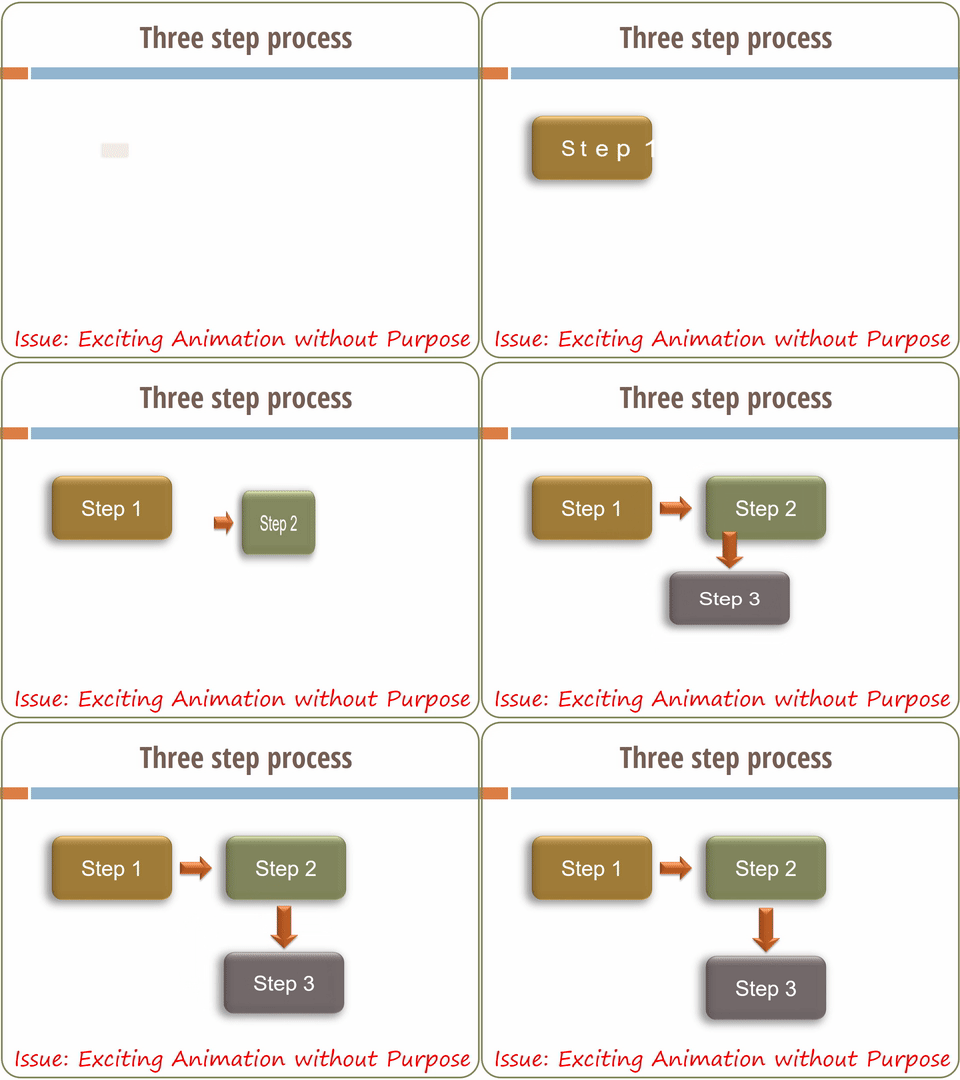
— NO special effects, etc.
— be careful with jargon and acronyms (explain them!)
— don't go overtime - Finally...
Elementary presentation tips
- you communicate with the audience
- Take care of a clear message
- Do not overload your talk/slides with information
- Miscellaneous
- Finally...
Giving talks is hard (for most of us). I do not expect it to be perfect (and so should you!). Be patient, realistic, and receptive towards feedback and you will improve slowly but steadily.
Elementary presentation tips
Concretely for your talk:
- Goal is educational; the class should learn something
- About 10 slides max.
you typically will need >1 minute/slide
- Make clear how the specific topic of your talk fits in the broader context
For example, when your topic is "three body resonances in the TRAPPIST-1 system", you need to introduce (i) exoplanet systems; (ii) the TRAPPIST-1 star; and (iii) what three-body resonances are.
- No more than 2 figures (preferably 1) per slide. Animations may be great for illustration
For each figure: explain what we see. Animations also take time to explain (don't have too many)
- End with clear conclusions/take-home messages
2 or 3 are enough. Do not just read them. A graphical presentation is better